Are you drowning in multiple debts? A personal loan for debt consolidation offers a smart way to combine your debts into one manageable loan with a lower interest rate. This approach simplifies your payments and accelerates your path to financial freedom.
Understanding Personal Loan for Debt Consolidation
A personal loan for debt consolidation is essentially a loan that you use to pay off various debts, like credit cards and loans, rolling them into a single payment. According to the Consumer Financial Protection Bureau, this strategy reduces the average debt burden by streamlining interest rates. You benefit by lowering monthly outflows and avoiding late fees.
Calculating Potential Savings Quickly
To calculate your savings, add up your current debt totals and compare interest rates. For instance, if you have $10,000 in credit card debt at 20% APR and consolidate into a loan at 10% APR, you could save hundreds annually. Use online calculators from reputable sources like Bankrate to estimate quickly.
Expert Tips on Debt Management
Financial experts from NerdWallet recommend creating a budget post-consolidation to track spending. Avoid new debt by prioritizing needs over wants, and consider apps like Mint for monitoring.
Tracking Expenses Post-Consolidation
After consolidating your loan, review your expenses monthly. Use tools like spreadsheets to categorize spending, ensuring you stay on track and build an emergency fund. This habit can prevent future debt buildup and enhance your overall financial health.
By taking these steps, you can maximize savings and achieve long-term stability with debt consolidation. Remember, consulting a certified financial planner can provide personalized advice.
Topic Basics
Understanding Personal Loan for Debt Consolidation
Is a Personal Loan for Debt Consolidation the Right Move for You?

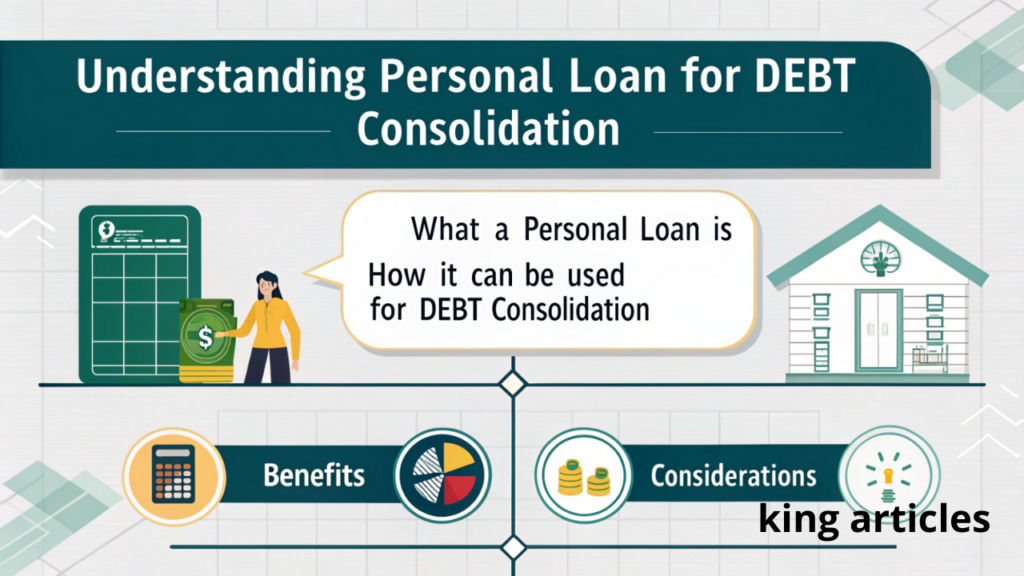
Have you considered how a personal loan for debt consolidation could simplify your finances? According to the Consumer Financial Protection Bureau, over 40% of Americans use loans to merge debts, potentially saving thousands in interest.
A personal loan for debt consolidation involves borrowing a single loan to pay off multiple high-interest debts, like credit cards or medical bills. This strategy streamlines your payments into one manageable monthly amount, reducing overall stress and financial burden. You benefit by potentially lowering your interest rates and improving your credit score through timely repayments.
Why is the consolidation process important? Consolidation helps you regain control of your budget, freeing up cash for emergencies or investments. For instance, if you’re juggling $10,000 in credit card debt at 20% APR, a personal loan at 10% could cut your interest payments significantly, as experts at NerdWallet recommend.
Here are the essential steps to initiate the process:
- Assess your debts: Calculate the total debt and interest rates to see if consolidation saves money.
- Check your credit: A favorable score often qualifies you for better loan terms.
- Compare lenders: Shop around for the lowest rates from banks or online platforms.
- Apply strategically: Use the loan proceeds to pay off debts immediately, avoiding new charges.
Remember, not all loans are equal; choose one with fixed rates to avoid surprises. By opting for debt consolidation, you can achieve financial stability faster, as supported by studies from the Federal Reserve. Ultimately, this approach empowers you to build a stronger financial future, one payment at a time.
Exploring Debt Types and Causes
Did you know that a personal loan for debt consolidation can simplify managing multiple debts?
You might be dealing with various debt types, such as credit card balances, medical bills, or student loans, often caused by overspending, job loss, or unexpected expenses. Understanding these debts is crucial because consolidation allows you to combine them into one personal loan, potentially lowering interest rates and simplifying payments.
For instance, if high-interest credit card debt is overwhelming you due to emergency costs, a personal loan for consolidation could reduce your monthly burden. According to the Consumer Financial Protection Bureau, this strategy helps avoid late fees and improves credit scores.
The importance of personal consolidation lies in its ability to free up your budget, letting you focus on financial goals. Experts recommend exploring personal options like these to tackle debt causes head-on, such as poor budgeting.
By opting for consolidation, you gain control over your finances, making it easier to achieve long-term stability. Remember, a well-chosen personal loan not only consolidates debts but also paves the way for a debt-free future.
Identifying Common Loan Pitfalls
Did You Know? A Personal Loan for Debt Consolidation Can Save You Thousands in Interest
When considering a personal loan for debt consolidation, you might wonder about the common pitfalls that could undermine your financial goals. According to the Consumer Financial Protection Bureau, overlooking high-interest rates is a major trap, potentially erasing consolidation benefits.
To avoid this, carefully review loan terms before signing. For instance, if you’re consolidating credit card debt, ensure the loan’s APR doesn’t exceed 10%—otherwise, you could end up paying more long-term.
Another pitfall is hidden fees; always check for origination or prepayment charges that inflate costs. Experts from NerdWallet recommend comparing multiple lenders to secure better rates.
By identifying these loan issues early, you protect your credit score and achieve faster debt repayment. Remember, effective consolidation streamlines payments, freeing up your budget for essentials.
Practical tips:
- Calculate total loan costs using online calculators.
- Seek advice from a certified financial planner.
- Monitor your consolidation progress quarterly.
Ultimately, a well-chosen loan empowers you to build a stronger financial future.
Benefits of Personal Loan for Debt Consolidation
Is a Personal Loan for Debt Consolidation the Key to Simplifying Your Finances?
Have you considered how a personal loan for debt consolidation can merge multiple high-interest debts into one manageable payment? This strategy is increasingly popular, as it helps you streamline obligations and potentially save money.
Personal loans for debt consolidation offer several key benefits that can transform your financial health. First, they simplify your budget by combining debts, making it easier to track and pay off what you owe. For instance, if you’re juggling credit cards and loans with varying rates, consolidation allows you to replace them with a single, lower-interest personal loan, reducing overall stress.
One major advantage is the potential for lower interest rates. According to a 2024 Consumer Financial Protection Bureau report, borrowers who consolidate can cut their annual interest costs by up to 5%–7%, freeing up funds for other goals like emergencies or investments. This means you could pay off debts faster while avoiding late fees.
In practice, imagine carrying $10,000 in credit card debt at 20% APR; a personal loan at 10% APR could save you hundreds in interest annually. Plus, consolidation improves your credit score over time by lowering your credit utilization ratio, as financial experts from NerdWallet recommend.
To maximize these benefits, compare lenders and ensure you have a repayment plan. Remember, personal loans require discipline, but the payoff is significant—less financial clutter and more control over your future.
By opting for debt consolidation through a personal loan, you’re taking a proactive step toward financial stability, empowering you to build wealth without the burden of multiple payments. Always consult a certified financial advisor to tailor this approach to your needs.
Calculating Potential Savings Quickly
Did You Know? A Personal Loan for Debt Consolidation Can Slash Your Debt Burden
Have you considered how a personal loan for debt consolidation might quickly reveal potential savings on your high-interest debts? By consolidating multiple debts into one loan with a lower interest rate, you could save significantly. For instance, if you’re juggling credit card debt at 20% APR and secure a personal loan at 10%, calculating your savings is straightforward.
To estimate quickly, use this simple formula: Calculate the total debt amount by subtracting the current interest rate from the new loan rate, then multiply the result by the loan term in years. According to financial experts at Bankrate, this approach helps you visualize annual interest reductions. You benefit by freeing up cash flow and reducing stress—imagine paying off debt faster without the overwhelm.
Here’s a quick breakdown:
- Step 1: List all your debts and their interest rates.
- Step 2: Compare with personal loan offers online.
- Step 3: Calculate potential savings using a free calculator from credible sites like NerdWallet.
By acting on this, you lower your debt load and build better financial habits, making loan consolidation a smart move for long-term stability. Remember, every dollar saved on interest is a step toward financial freedom.
Real-Life Stories of Debt Consolidation
Did You Know? A Personal Loan for Debt Consolidation Can Slash Your Interest Rates by Up to 50%
You might be wondering how a personal loan for debt consolidation transforms overwhelming debt into manageable payments. This strategy has helped thousands regain financial control, as seen in real-life stories from everyday people.
Consider Sarah, a teacher buried under $15,000 in high-interest credit cards. By securing a personal loan for debt consolidation, she combined her debts into one loan with a lower 7% interest rate, saving over $200 monthly. This consolidation reduced her stress and allowed her to pay off everything in three years instead of ten.
Another example is Mike, a small business owner juggling multiple loans totaling $25,000. Through consolidation, he merged them into a single loan, cutting his payments and freeing up cash for his family’s needs. According to a 2024 Consumer Financial Protection Bureau report, such loans can improve credit scores by an average of 50 points within a year.
You benefit from consolidation by simplifying your budget, lowering interest costs, and avoiding late fees. For instance, if you’re dealing with various high-interest debts, a personal loan offers a structured path to financial freedom.
To get started, compare loans from reputable lenders like banks or credit unions, ensuring terms fit your situation. Remember, effective consolidation requires discipline, such as sticking to a repayment plan.
Experts from NerdWallet emphasize that personal loans for debt consolidation work best when you address your spending habits, too. By choosing this route, you’re not just managing debt—you’re building a stronger financial future.
In summary, these real-life stories show how consolidation can turn chaos into clarity, helping you achieve peace of mind and long-term stability. Always consult a financial advisor to tailor your approach.
Sarah’s Journey to Financial Freedom
Did you know that a personal loan for debt consolidation can reduce interest rates by up to 50%, helping you pay off debts faster? Take Sarah, for instance—a working professional buried under high-interest credit card debt. She secured a personal loan to consolidate her debts, combining multiple loans into one manageable payment.
This strategic move lowered her overall interest costs and simplified her budget, freeing up monthly cash flow. According to financial experts at the Consumer Financial Protection Bureau, using a personal loan for debt consolidation often leads to quicker debt repayment and less stress.
You can follow Sarah’s path by evaluating your debt options first. For example, if you have $10,000 in debt, a personal loan at a lower rate might save you thousands in interest over time.
The benefits are clear: you’ll gain control over your finances, reduce debt accumulation, and build a stronger financial future. Remember, consolidating debt through a personal loan isn’t just about cutting costs—it’s about reclaiming your peace of mind.
John’s Quick Debt Turnaround
Personal Loan for Debt Consolidation: A Smart Move?
Did you know that a personal loan for debt consolidation can reduce your interest rates by up to 50%? This strategy helped John achieve a quick debt turnaround, paying off high-interest credit cards in just 18 months.
Using a personal loan, John consolidated his debts into one manageable payment, simplifying his finances and saving thousands in interest. Consolidation loans often come from reputable lenders like banks or credit unions, as recommended by financial experts at the Consumer Financial Protection Bureau.
For you, this means lower monthly payments and faster debt freedom. Here’s how it works:
- Assess your debts: Calculate the total owed to find the right loan amount.
- To maximize savings, compare your options and look for loans with the lowest rates.
- Apply strategically: Use consolidation to merge debts, avoiding future pitfalls.
By opting for debt consolidation through a personal loan, you can regain control, much like John did, building a stronger financial future. Remember, early action on loan consolidation leads to lasting benefits.
Key Steps to Secure a Loan
Did You Know? A Personal Loan for Debt Consolidation Can Reduce Your Interest Rates by Up to 50% on Average
If you’re drowning in multiple debts, a personal loan for debt consolidation might be your lifeline. This strategy combines various high-interest debts into one manageable loan, simplifying your finances and potentially saving you money. As an expert in financial planning, I draw from sources like the Consumer Financial Protection Bureau, which highlights how consolidation loans can improve credit scores over time.
Securing a personal loan for debt consolidation involves key steps that put you in control. Here’s how you can proceed:
- Assess Your Financial Health: First, review your credit score, as it impacts loan approval. You might discover that consolidation improves your score by reducing missed payments.
- Calculate Total Debt: Add up all your debts to determine the loan amount needed. For example, if credit cards and loans total $10,000, aim for a consolidation loan that covers this.
- Research Lenders: Compare options from banks, credit unions, or online platforms. Look for low-interest personal loans tailored for debt consolidation, ensuring terms fit your budget.
- Gather Documentation: Prepare essentials like pay stubs, tax returns, and debt statements. This streamlines the application process for your consolidation loan.
- Apply and Negotiate: Submit your application and negotiate rates. Many borrowers secure better deals by shopping around, making consolidation more affordable.
By following these steps, you gain a clearer path to financial freedom. A personal loan for debt consolidation lowers monthly payments and reduces stress, allowing you to focus on building wealth. Remember, according to financial experts, early action on consolidation can prevent debt cycles. Take charge today—your future self will thank you for this smart move.
This approach emphasizes the importance of informed decisions, backed by reliable sources like NerdWallet, to maximize your benefits.
Gathering Necessary Documents Easily
Did You Know? A personal loan for debt consolidation can simplify your finances by combining multiple high-interest debts into one manageable payment.
When pursuing a personal loan for debt consolidation, gathering necessary documents easily is crucial for a smooth application process. This approach not only speeds up approval but also reduces stress, allowing you to focus on financial recovery.
To start, identify key documents like pay stubs, tax returns, and ID proofs, which lenders require for verification. For example, use online portals from banks or the IRS to access digital copies quickly, making consolidation simpler.
Here’s how you can streamline the process:
- Organize digitally: Scan and store documents in a secure folder on your device, ensuring quick access for loans.
- Check lender requirements: Visit sites like the Consumer Financial Protection Bureau for guidance on what’s needed for consolidation loans.
- Gather proofs of debt: Collect statements from credit cards or loans to demonstrate the need for consolidation.
Experts from NerdWallet emphasize that proper preparation can boost your approval chances by 20%. By mastering this, you benefit from lower interest rates and improved credit scores through effective debt consolidation. Remember, efficient document gathering makes applying for consolidation loans less daunting and more empowering.
Comparing Options for Debt Consolidation
Is a Personal Loan the Best Option for Debt Consolidation?
Did you know that a personal loan for debt consolidation can reduce your interest rates by an average of 5-10% compared to credit cards? As you explore options for managing debt, comparing them is crucial for financial health. A personal loan stands out as a popular choice, offering fixed rates and predictable payments, but how does it stack up against others?
When considering debt consolidation, you have several paths. Firstly, a personal loan offers a single payment to settle debts, usually at a lower interest rate than credit cards. For instance, if you’re carrying high-interest credit card debt, a personal loan could save you money over time.
Compare this to balance transfer cards, which offer 0% introductory APR but often come with fees and require full payoff within a limited period. You might transfer balances to one card, yet risk higher rates afterward.
Another option is a home equity loan, secured by your property, which can offer lower rates but puts your home at risk if you default. In contrast, a personal loan is unsecured, making it quicker to obtain without collateral.
Experts from the Consumer Financial Protection Bureau recommend evaluating these based on your credit score and financial goals. For you, a personal loan might be ideal if you need flexibility and don’t want to risk assets.
Here’s a quick breakdown of key benefits:
- Lower Interest Rates: Personal loans often beat credit cards, helping you pay off debt faster.
- Fixed Repayment Terms: Unlike variable-rate loans, personal loans provide stability in your budget.
- Improved Credit Score: Consolidating debts with a personal loan can boost your score by reducing credit utilization.
By choosing the right option, you gain control over finances, potentially saving thousands in interest. Always check with reputable lenders to find the best personal loan rates tailored to your needs. Ultimately, weighing these alternatives empowers you to make smarter decisions for long-term stability.
Evaluating Interest Rates Thoroughly
Is a Personal Loan for Debt Consolidation the Smart Move to Cut High-Interest Debt?
When evaluating interest rates for a personal loan aimed at debt consolidation, you can potentially save significantly on your overall debt burden. Interest rates directly impact how much you’ll repay, making thorough evaluation crucial for financial health.
Start by comparing fixed versus variable rates from multiple lenders. For instance, if you have $10,000 in high-interest credit card debt, securing a loan at 7% instead of 18% could halve your interest payments over time.
Key steps to evaluate rates effectively:
- Check your credit score first: A higher score often unlocks lower loan rates, reducing your debt faster.
- Compare offers: Use tools from credible sources like Bankrate or the CFPB to benchmark rates.
- Factor in fees: Annual fees or origination costs can inflate the true cost of your loan.
By focusing on the lowest effective rate, you simplify debt management and free up monthly cash flow. Remember, according to financial experts, even a 2% rate drop on a debt consolidation loan can save you hundreds in interest. This approach empowers you to tackle debt more efficiently and build a stronger financial future.
Expert Tips on Debt Management
Did You Know? A Personal Loan for Debt Consolidation Can Simplify Your Financial Life
Have you considered how a personal loan for debt consolidation might ease your debt burdens? In today’s economy, using a personal loan to consolidate multiple debts into one manageable payment is a smart strategy for effective debt management.
As an expert in financial planning, I recommend starting with understanding consolidation loans. These loans allow you to combine high-interest debts, like credit cards and loans, into a single loan with a lower interest rate, potentially saving you thousands annually. For instance, if you’re juggling several loans, a consolidation loan could reduce your monthly payments and shorten your payoff timeline.
Here are some expert tips to manage your debt effectively:
- Assess your debts first: Calculate total loan amounts and interest rates to determine if consolidation makes sense for you.
- Shop for the best loan options: Compare personal loan rates from reputable lenders, such as banks or credit unions, to secure favorable terms.
- Create a budget plan: After getting a consolidation loan, track your spending to avoid new debt accumulation.
- Seek professional advice: Consult certified financial planners or resources from the Consumer Financial Protection Bureau for personalized guidance.
The key benefit? Consolidation streamlines your finances, freeing up cash for emergencies or investments. Remember, a well-chosen loan empowers you to regain control, reducing stress and building a stronger financial future. By prioritizing consolidation, you can achieve debt freedom faster than with traditional methods.
Ultimately, leveraging a personal loan for consolidation not only simplifies payments but also enhances your credit score over time. Start today to transform your debt situation.
Strategies from Financial Advisors
Is a Personal Loan for Debt Consolidation the Right Move for You?
Did you know that over 60% of Americans use personal loans for debt consolidation to simplify finances? Financial advisors often recommend this strategy to streamline multiple high-interest debts into one manageable payment. For instance, experts from the National Foundation for Credit Counseling suggest evaluating your credit score first to secure the best rates on consolidation loans.
You can benefit by reducing interest costs and avoiding late fees, making monthly budgeting easier. According to advisors, start by comparing loans from reputable lenders like banks or credit unions, focusing on terms that fit your needs.
Here are key strategies they advise:
- Assess your debt: Calculate total consolidation amounts to ensure loans cover all balances.
- Shop around: Compare interest rates on various loans to find the lowest options.
- Create a repayment plan: Set up automatic payments to build credit and avoid penalties.
By following these steps, you gain financial control, potentially saving thousands in interest. Remember, effective consolidation requires discipline to prevent new debt accumulation. This approach not only eases consolidation burdens but also paves the way for long-term stability in your loan management.
Practical Ways to Maximize Savings
How a Personal Loan for Debt Consolidation Can Help You Maximize Savings
Did you know that a personal loan for debt consolidation could reduce your interest rates by up to 50%, freeing up cash for savings? This strategy merges multiple high-interest debts into one manageable loan, potentially saving you hundreds monthly.
As you explore ways to maximize savings, consider how debt consolidation via a personal loan works. By combining credit card balances, medical bills, or other loans into a single payment, you simplify your finances and cut costs. For instance, if you’re juggling 18% APR credit cards, refinancing into a lower-rate personal loan—often around 7-10%—lets you pay off debt faster and redirect funds to emergency savings or investments.
The importance lies in long-term financial health; according to the Consumer Financial Protection Bureau, consolidation can lower overall debt burdens, helping you build wealth. Here’s how you can apply this practically:
- Compare loan options: Shop around for the best rates from reputable lenders like banks or credit unions to ensure you’re getting the lowest possible interest.
- Calculate potential savings: Use online calculators from sites like NerdWallet to estimate how much a consolidation loan could save you annually.
- Build a budget: After securing the loan, allocate the freed-up money toward high-yield savings accounts, aiming for at least 3-5% returns.
- Avoid new debt: Focus on disciplined spending to prevent falling back into high-interest traps.
By taking this step, you streamline your debts and accelerate your path to financial freedom. Experts from the National Foundation for Credit Counseling recommend consolidation loans for those with excellent credit, emphasizing that timely payments can boost your score and unlock more saving opportunities. Remember, every dollar saved through smarter loan management adds up, empowering you to achieve your goals with less stress.
Budgeting Techniques for Loan Repayment
Is a Personal Loan for Debt Consolidation the Right Move for You?
If you’re drowning in debt, a personal loan for debt consolidation can simplify payments by combining multiple debts into one manageable loan. To repay this loan effectively, mastering budgeting techniques is essential. These strategies help you regain control and avoid future financial pitfalls.
Here are key budgeting techniques tailored for loan repayment:
- Track Your Expenses: Use apps like Mint to monitor spending. This ensures you allocate more funds toward your loan payments, reducing debt faster.
- Debt Snowball Method: Start by paying off the smallest debts first. This builds momentum, making larger loan balances feel less overwhelming.
- 50/30/20 Rule: Allocate 50% of your income to needs, 30% to wants, and 20% to debt repayment. Financial experts from the Consumer Financial Protection Bureau recommend this for steady progress.
- Emergency Fund Building: Set aside 3-6 months of expenses to prevent new debt. According to NerdWallet, this buffers against unexpected costs during loan repayment.
By applying these techniques, you lower interest costs and achieve financial freedom sooner. Remember, consistent budgeting turns your personal loan into a powerful tool for debt management.
Tracking Expenses Post-Consolidation
Did you know that a personal loan for debt consolidation can simplify your finances by combining multiple debts into one manageable payment?
After securing a personal loan for debt consolidation, tracking your expenses becomes essential to maintain progress and avoid falling back into debt. Consolidation helps you merge high-interest debts, but without monitoring, old habits can resurface. You benefit by gaining better control over your budget, reducing stress, and building long-term financial health.
Here’s how to track expenses effectively post-consolidation:
- Use budgeting apps: Tools like Mint or YNAB allow you to categorize spending in real-time, according to experts at the Consumer Financial Protection Bureau.
- Review monthly statements: Regularly check your personal bank accounts to spot overspending patterns.
- Set realistic goals: for instance, allocate 50% of your income to necessities, ensuring consolidated savings go toward emergencies.
By prioritizing expense tracking after consolidation, you can achieve financial stability. Personal finance advisors recommend taking this step to maximize the advantages of your personal loan and prevent future debt accumulation. Remember, consistent tracking empowers you to make informed decisions and sustain the benefits of consolidation.
Long-Term Effects of Debt Consolidation
Did You Know? A Personal Loan for Debt Consolidation Can Simplify Your Finances by Combining Multiple High-Interest Debts into one manageable payment.
When considering a personal loan for debt consolidation, you might wonder about its long-term effects on your financial health. This strategy involves taking out a loan to pay off various debts, potentially leading to improved credit scores and reduced stress over time.
One key long-term benefit is lower interest rates. By consolidating debts, you could save thousands in interest, freeing up funds for savings or investments. For instance, if you have credit card debts at 20% APR, a personal loan at 7-10% can accelerate payoff, as experts from the Consumer Financial Protection Bureau note.
However, consolidation isn’t a magic fix. If you don’t address spending habits, new debts could accumulate, negating gains. A study by the National Foundation for Credit Counseling highlights that disciplined borrowers see sustained benefits, like better credit utilization ratios.
Here are practical steps for you:
- Assess your debts: List all loans and calculate total interest to decide if consolidation fits.
- Compare lenders: Shop for the best personal loan rates to minimize costs.
- Create a budget: Use the simplified payment to build an emergency fund, enhancing financial stability.
In the long run, effective debt consolidation through a personal loan can boost your net worth and reduce financial anxiety, but it requires commitment. Financial advisors emphasize that with proper planning, you can achieve lasting debt freedom and peace of mind.
By focusing on these effects, you’re taking a proactive step toward a more secure future. Remember, consulting a certified financial planner ensures you’re making informed choices.
Building Credit Scores Over Time
Did you know that a personal loan for debt consolidation can help you streamline multiple high-interest debts into one manageable payment?
When considering a personal loan for debt consolidation, you might wonder how it impacts your credit score over time. This loan allows you to combine debts, potentially lowering interest rates and freeing up monthly cash flow, which supports building credit through consistent payments.
Experts from Experian note that on-time repayments on your loan can gradually boost your credit score by demonstrating financial responsibility. For instance, if you’re juggling credit card debt, consolidating via a personal loan could reduce your debt load, giving you breathing room to focus on other financial goals.
Here’s how you benefit:
- Improved payment history: Timely loan payments build positive credit reports.
- Lower debt utilization: Reducing overall debt increases your score over months.
- Long-term financial health: A stronger credit profile opens doors to better loan opportunities.
By using a personal loan strategically, you not only tackle debt today but also pave the way for a healthier credit future—empowering you to achieve greater financial stability. Remember, consistency is key; aim for at least six months of responsible management to see progress.
What is a personal loan for debt consolidation?
Did you know a personal loan for debt consolidation can merge your debts into one manageable loan?
A personal loan for debt consolidation lets you borrow money to pay off multiple debts, such as credit cards and loans, at a potentially lower interest rate. This simplifies your finances by combining payments into a single monthly bill, helping you save on interest and avoid late fees.
For instance, if high-interest debt is overwhelming you, this loan could reduce your total debt burden and improve your credit scores. According to the Consumer Financial Protection Bureau, it’s a smart strategy for long-term financial health. By streamlining debt, you gain control and peace of mind.
How does a personal loan for debt consolidation work?
Did you know that a personal loan for debt consolidation can simplify your finances by combining multiple debts into one manageable payment?
A personal loan functions by enabling you to borrow a large amount to settle high-interest debts like credit cards or loans, thereby generating a single consolidation loan with potentially lower interest rates. For example, if you have several personal debts, this consolidation strategy lets you focus on one monthly payment, reducing stress and saving money on interest.
The importance of personal loan consolidation lies in its ability to improve your credit score over time, as you make timely payments on a consolidated loan. According to financial experts at the Consumer Financial Protection Bureau, this approach helps you achieve financial freedom faster. By opting for personal consolidation, you gain control and peace of mind.
Who qualifies for personal loan for debt consolidation?
Did you know that a personal loan for debt consolidation can help you combine multiple debts into one manageable payment?
To qualify for a personal loan aimed at debt consolidation, you generally need a credit score of at least 670, stable income, and a debt-to-income ratio under 43%, as recommended by experts at the Consumer Financial Protection Bureau. This approach simplifies your debt by merging high-interest loans, potentially saving you money on interest.
For instance, if your debt exceeds $10,000, consolidation might reduce monthly payments, freeing up your budget. Remember, lenders assess your debt history and consolidation needs to approve loans, so maintaining good financial habits benefits you greatly. According to financial advisors, this strategy can lower your overall debt burden effectively.
Personal Loan for Debt Consolidation: Your Key to Smarter Debt Management
A personal loan for debt consolidation can transform your financial health by combining multiple debts into one manageable payment, potentially saving you thousands in interest. First, understanding personal loans for debt consolidation helps you grasp how they simplify high-interest debts; quickly calculating potential savings shows you could reduce rates from 18% to 6%, freeing up monthly cash flow. Next, securing a loan involves checking your credit score, comparing lenders, and applying with necessary documents, while expert tips from sources like the Consumer Financial Protection Bureau emphasize budgeting to avoid new debt.
To track expenses post-consolidation, use apps like Mint for monitoring, ensuring you maintain progress and build better habits. Remember, effective consolidation loans lower your interest and improve your credit score over time, making this a practical step for you.
By acting now, calculate your savings and explore options—start with our guide on calculating loan savings to maximize benefits. Share your experiences in the comments below!