Surprising fact: you can view personalized pre-approval offers for a credit card without a hard inquiry, yet a full application may affect your score. These pre-approval offers are typically based on a soft inquiry, which means they won’t impact your credit score negatively. By using these tools, you can gauge your eligibility for various cards and select options that align with your financial goals.
However, it’s important to remember that while pre-approval gives you a good idea of what you might qualify for, completing a full application does involve a hard inquiry that can slightly lower your score for a short period. Thus, it’s wise to approach the application process with care and ensure you’re choosing the best card for your needs.
Start by deciding what you want this account to do for you. Do you want flat cash back, big category rewards, or low ongoing rates? Align your goals with specific features to avoid wasting time.
Prioritize issuers with broad acceptance and strong benefits. For example, Discover has no annual fee, earns rewards on eligible purchases, offers $0 Fraud Liability and Social Security number alerts, and is accepted by 99% of U.S. merchants that take cards.
Compare simple 2% cash back options like Synchrony’s Premier Mastercard with category-based plans that may yield higher returns for specific spending. Also consider CareCredit if you need financing for medical or pet care.
Use pre-approval tools to check likely terms without a hard pull, then apply when the fees, APR, and mobile account features fit your time and money goals.

Topic Basics
Your goals come first: define what you want from a card
Choose one clear outcome before you browse offers. Pinpoint whether you want to earn cash back, collect miles, move a balance to 0% intro APR, or enjoy long-term low rates. That single choice narrows acceptable product types quickly.
Cash back, travel miles, balance transfer, or 0% intro APR
If rewards are your priority, decide between flat-rate and category bonuses. A flat-rate 2% option can beat rotating categories if your spending is broad.
Example: Discover’s lineup includes its Cash Back, Miles, Chrome Gas & Restaurants, Secured, and Student options, each tailored to different goals. Synchrony’s Premier Mastercard is a simple flat-rate alternative with 2% cash back on every purchase.
No annual fee vs. premium benefits
No annual fee removes a cost barrier and suits most everyday users. Premium benefits can be worth a fee if you use lounge access, travel protections, or higher earn rates enough to offset the charge.
Also weigh security features like $0 Fraud Liability and free SSN alerts alongside headline rewards when considering a credit card. Protection matters when you rely on a product daily.
| Product Type | Best For | Key Benefit |
|---|---|---|
| Flat-rate | Every day, mixed spending | Simple 2% cash back on all purchases |
| Category-focused | Heavy spending in specific categories | Higher earn rates in targeted categories |
| Miles | Travel shoppers | Redeemable travel rewards and statement credits |
| Balance transfer / 0% APR | Debt payoff | Interest-free payoff window |
heck your credit score and history before you apply
Check where your score stands first; it shapes approval odds and pricing. A quick review of your report provides you the information you need to target offers that match your financial picture.
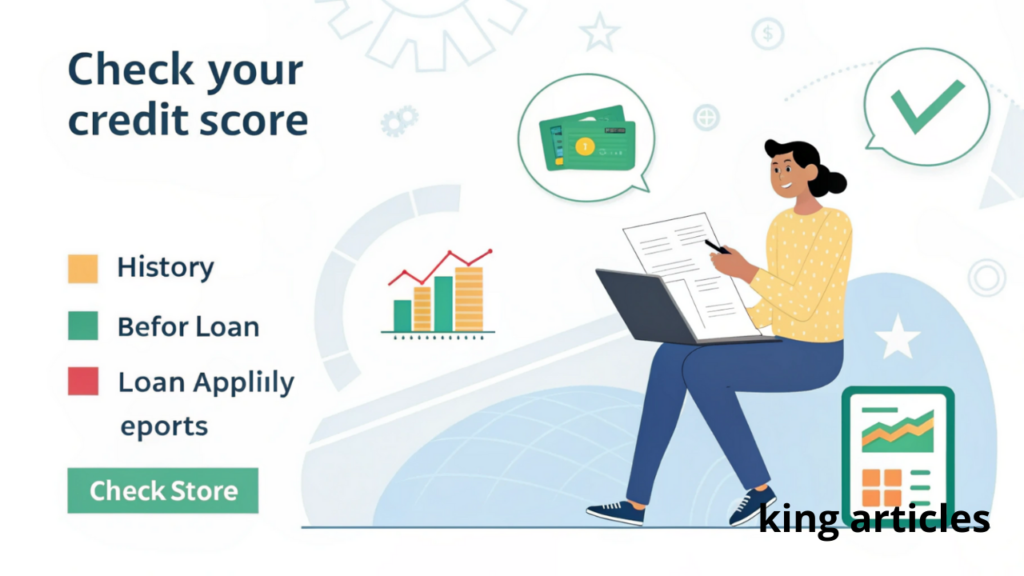
Lenders look at your score and full history to decide approval and set rates. Your bank also uses income, existing obligations, and other information to set a starting limit that fits your risk profile.
- Review your score and report so you know realistic approval odds before any formal application.
- Lower utilization—measured as a percentage of available limits—can improve outcomes. Pay down balances first.
- Expect a significant inquiry when you apply; that can have a small, temporary impact on your credit score.
- If you are rebuilding, consider secured or student options that help establish positive history.
- Please dispute any errors to ensure your file reflects accurate information before submitting an application.
Think about how this account will affect future limits and purchases. Responsible use can lead to higher limits and better terms over time.
Use pre-approval tools that won’t impact your credit score
Begin with soft-check pre-approval tools to narrow options for your credit card before applying formally. These issuer tools show probable offers without a hard pull. That saves time and protects your score while you shop.
Soft check vs. hard inquiry
Soft checks are informational and do not affect your score. A full application triggers a hard inquiry. That may temporarily lower your credit score and appear on your report.
Personalized offers that fit your profile
Use pre-approval screens to compare indicative APR ranges, estimated limits, and fees. Discover and other issuers let you preview personalized offers with no score impact.
- Save time by narrowing choices with soft checks.
- Review the pre-approval information carefully before you apply.
- Only submit a full application when you’re ready to manage the new account.
- After approval, set alerts to track due dates and cash flow from day one.
Match card features to your spending habits
Start by mapping your last 3–6 months of purchases. Track groceries, gas, dining, travel, and online purchases to see where you spend most. This data is crucial for selecting a credit card rewards plan that fits your routine.
Groceries, gas, dining, travel, and online purchases
If groceries and gas dominate, choose a product that boosts those categories. If you distribute your purchases across multiple categories, a straightforward option might be more effective.
Fixed-rate cash back vs. rotating or category bonuses
Fixed-rate cash back like Synchrony Premier’s 2% on every purchase simplifies earning and often beats rotating programs for mixed spenders.
Category bonuses can yield more if you concentrate spending, but they require activation and tracking each quarter.
Welcome bonuses and minimum spend considerations
Compare any welcome bonus to the minimum spend. Don’t chase a bonus that forces extra or unnatural purchases.
- Match rewards to real habits, not temporary deals.
- Check earning rules at big-box stores and delivery services.
- Prefer easy redemption so you actually get the cash back you earn.
Compare rewards programs and redemption options
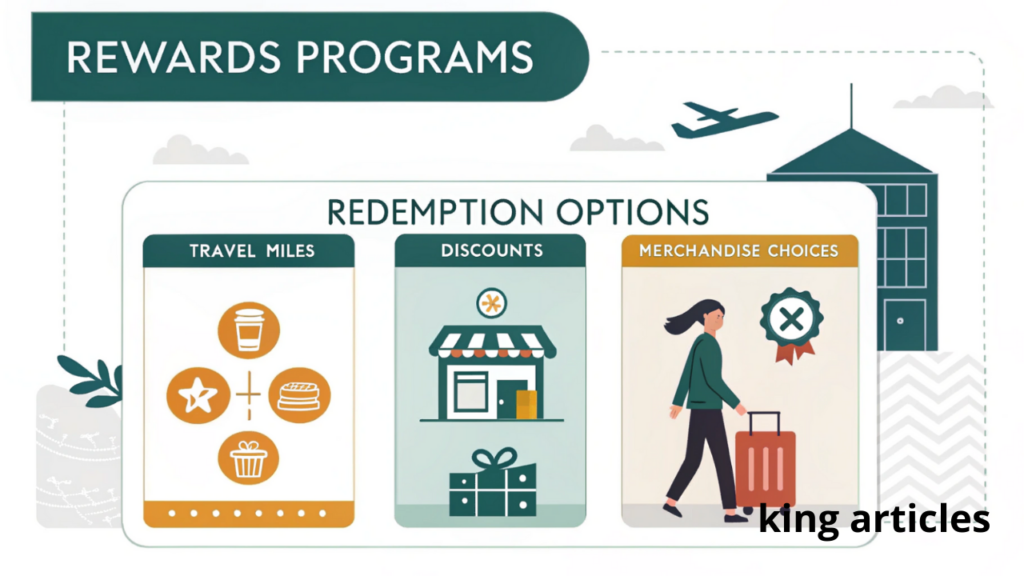
Start by weighing how rewards convert to real value for the purchases you make most. Look past big multipliers and focus on what you actually redeem. Simple programs can beat complex ones if redemption is easier and faster.
Cash percentage vs. miles value
Compare the cash back percentage on everyday buys with the practical value of miles. A 2% flat return may offer steadier value than a travel plan that needs blackout dates or portal bookings.
- Check real redemption value: how much is a mile worth when you book?
- Watch first-year boosts: Discover’s Cashback Match doubles your cash back in year one for new members.
- Choose simple redemptions: statement credits and direct deposits save time and confusion.
Limits, quarterly categories, and expiration
Find out whether rewards cap out, rotate quarterly, or expire. These rules shape how you plan purchases and timing for redemptions.
“Make sure earning rules apply to the kinds of stores and services you use most.”
- Confirm exclusions so surprises don’t reduce value.
- Compare how rates change by category—gas, dining, travel—to see which products fit your habits.
- Check for minimum redemption thresholds and any annual fees that could offset earnings.
Understand APR, fees, and the real cost of borrowing
Understanding how interest and fees add up will protect your wallet over time. Separate temporary promos from the long-term picture so you know what ongoing rates will cost once the intro period ends.
Read the Schumer Box and pricing information carefully. That table shows the ongoing APR, any 0% introductory windows, and common fees in one place.
Tally potential charges—annual, balance transfer, foreign transaction, and penalty fees—and favor products that minimize costs you’re likely to pay. Discover, for example, advertises no annual fee on many of its options.
If you plan to carry a balance, prioritize a lower ongoing APR over a short teaser. Also factor in transfer fees and timing when assessing 0% windows so you actually lower your cost of debt service.
Remember, a full application triggers a hard inquiry and can have a small, temporary impact on credit. Set alerts and automate payments to avoid late fees and penalty rates that raise the true cost of borrowing.
| Fee Type | Typical Cost | What to Watch For |
| Annual fee | $0–$550 | Some issuers, like Discover, offer no annual fee; compare benefits vs. cost. |
| Balance transfer fee | 3%–5% of transfer | Check the timing of the 0% window and whether the fee wipes out savings. |
| Foreign transaction fee | 0%–3% | Confirm acceptance abroad and the fee to avoid surprise costs on purchases. |
| Late/penalty fee | $0–$40+ | Missed payments can trigger higher APRs; automated payments help avoid this. |
How a credit card works and impacts your score
How you use a revolving account determines whether it helps—or hurts—your score.
A credit card gives a reusable line of borrowing up to a set limit. You can carry a statement balance month to month, but most issuers offer a grace period.
Pay the statement balance in full by the due date, and you usually avoid interest on purchases. If you carry a balance, interest is charged daily on the remaining amount.
To determine your terms and starting limit, the issuer conducts a hard inquiry and examines your income and obligations at the time of application. Responsible use may lead to limit increases over time.
| Concept | Impact | What to do |
|---|---|---|
| On-time payments | Strong positive effect on score | Set autopay and alerts for at least the minimum |
| Utilization | High balances lower your score | Keep balances low vs. your limit |
| Interest on purchases | Costs increase if not paid in full | Pay statement balance to keep grace period |
| Cash advances & fraud | Immediate fees and interest; protection for fraud | Avoid advances; report fraud under $0 Fraud Liability |
“Treat the account as a tool to build history while funding needed purchases, not extra income.”
Know your likely credit limit and how it’s determined
Your approved limit is the maximum you can use for purchases and balance transfers on this credit card account. Issuers set that number using the application details and your credit report.
What matters: payment history, utilization, length of history, income, and existing obligations all shape the starting limit. If you’re new to borrowing, expect a lower initial allowance with room to grow.
- Your starting limit reflects the information you provided and data in your credit report.
- Keep utilization low; that helps your profile and can support future limit increases.
- Some issuers review accounts automatically for increases; others let customers request a review after several months.
- Clarify whether balance transfers share the same overall limit or use sub-limits on the account.
If you anticipate significant expenses, please consider requesting a review with your updated income details before applying. Remember: higher limits can improve utilization ratios but require disciplined use to avoid interest and overspending.
Choose by card type: cash back, travel, secured, and student cards
Choose a path—simple flat earnings, travel perks, or tools for building history with your credit card. Pick the type that matches your day-to-day spending so you earn value without extra work.
If you’re new to credit or rebuilding, secured options and student card products can help you establish healthy habits with low risk.
For straightforward earnings, flat cash back works best. Synchrony’s 2% Premier Mastercard is a clear example of a simple, predictable option.
Established users may prefer travel plans that turn everyday spending into rewards and trip value. Compare no-annual-fee products like Discover’s lineup against premium offerings that charge a fee but add stronger protections and perks.
| Type | Best fit | Key trade-off |
|---|---|---|
| Secured / Student | New or rebuilding users | Builds history; lower limits |
| Flat cash back | Mixed spenders | Simple earnings; steady value |
| Travel / Premium | Frequent travelers | Higher perks; possible fee |
“Match the product to your routine so you earn without changing habits.”
- Review rates, fees, and redemption ease before you apply.
- Consider stacking a starter card with a category option later, after your profile improves.
Balance transfer strategies to manage existing debt
A structured transfer plan can turn fragmented monthly payments into a single payoff timeline. Use a promotional transfer with a credit card to buy yourself time to reduce principal and stop high-cost interest from growing.
When a 0% intro APR can help
Many issuers offer a 0% introductory APR on balance transfers for a set period. That window gives you predictable time to pay down a big balance without new interest charges.
- Weigh transfer fees against the interest you’d avoid at your current rates.
- Plan a payoff schedule so the entire balance clears before the promo ends.
- Avoid new purchases on the same credit card if they lose the grace period while a transfer remains.
- Applying for a new credit card triggers a hard inquiry; multiple recent applications can temporarily impact approval odds.
- Don’t close old accounts right away—keeping them open can prevent utilization from rising after a transfer.
- If you chase cash back, remember the main goal here is interest savings; focus on payoff, not rewards from purchases.
“Treat a balance transfer as a timed tool: plan payments, track posting dates, and avoid rebuilding balances.”
Consider issuer acceptance, security, and account tools
Acceptance, security, and account tools together determine how useful a product will be day to day. Start by confirming the issuer works where you shop most; Discover reports acceptance at 99% of U.S. merchants that take cards.
Nationwide acceptance and $0 Fraud Liability
Wide acceptance reduces friction at checkout and helps you use rewards and cash back more often. Strong protections such as $0 Fraud Liability and free Social Security number alerts save time if a suspicious purchase appears.
Free alerts and online banking to manage your account
Enroll in online banking, activate your account, and enable real-time alerts. Use mobile app controls to freeze an account, replace a lost card, or set spending limits without a call.
- Set up autopay for at least the minimum to protect your score.
- Review transaction information promptly and dispute odd activity immediately.
- Prefer issuers that offer FICO updates, category spend tools, and clear customer communications.
“Good issuer tools turn account management from a chore into a habit.”
Discover, Synchrony, and co-branded cards: what to know
Compare general-purpose issuers and store-linked issuers by where you shop most and how flexible you need rewards to be.
Discover offers several no-annual-fee products, including Cash Back, Miles, and Chrome Gas & Restaurants. New customers get a first-year Cashback Match that boosts early earnings.
Synchrony powers many co-branded credit card options through the Synchrony Marketplace. Retail partners include Amazon, Lowe’s, Sam’s Club, Walgreens, Rooms To Go, and Venmo. Terms and financing offers vary by brand.
Flat-rate options can simplify your strategy. The Synchrony Premier Mastercard earns 2% cash back on every purchase and avoids quarterly tracking or category activation.
| Issuer/Network | Best for | Key benefit |
|---|---|---|
| Discover | Everyday value & simple rewards | No annual fee; Cashback Match for new customers |
| Synchrony (store partners) | Frequent shoppers at a brand | Special financing and brand-specific offers |
| Synchrony Premier | Mixed spending | 2% cash back on all purchases |
Weigh acceptance, flexibility, and fees before you choose. Store options may give targeted savings but can limit where you use the product.
Coordinate your accounts: use store-linked cards where benefits concentrate and general-purpose cards for wider purchases. Check APR, promotions, and fees so each choice supports your larger money goals.
Financing beyond everyday purchases: CareCredit and special programs
Special financing programs can let you spread big medical or vet bills into predictable monthly payments. CareCredit, issued through Synchrony, is designed for health, dental, vision, and veterinary expenses. It offers promotional financing that helps you manage out-of-pocket costs when you need care now.
Know the rules: these plans usually require minimum monthly payments and may charge interest from the purchase date if you don’t pay the promo balance in full. Read the fine print so you know when deferred interest applies.
Compare these products against a general-purpose card with a 0% intro APR from your bank. Sometimes a 0% offer on everyday accounts costs less overall than deferred-interest plans for the same purchases.
- Ask providers whether they accept CareCredit before treatment so you don’t face surprises.
- Track promotional end dates in your calendar to avoid unexpected interest charges on your accounts.
- Keep documentation of services and financing terms in case you need the information later.
- Use special financing for planned, necessary purchases—not as a substitute for emergency cash.
“Balance the benefit of spreading payments against the risk of higher interest if the promotional window closes before payoff.”
Apply with confidence: timing, documentation, and next steps
When you’re ready to apply for a credit card, a little preparation makes the process faster and clearer. Timing matters: apply when your score, income, and utilization are in excellent shape and when any planned purchase or travel aligns with account opening.
What information you’ll need and eligibility basics
Gather accurate personal information before you start. Have your Social Security number, current income, housing costs, and employment details ready so the application is complete.
What to expect during and after the application
- Expect a hard inquiry once you submit a full application; that helps issuers set rates and your starting limit.
- If you’re under 21 or applying for a secured product, follow the required online application flow.
- Discover allows two cards per person; plan your portfolio and timing around issuer rules.
- All Discover options earn rewards and have no annual fee, which simplifies decision-making for many users.
Next steps after approval or denial
If approved, set up online access immediately. Establish autopay, enable alerts for due dates and unusual activity, and map how you’ll meet any welcome offer with normal purchases.
If declined, read the adverse action notice to learn why. Fix issues, wait an appropriate time, then reapply when your information and profile improve.
“Apply when your financial picture supports the terms you want, and document next steps so you capture value quickly.”
Use your new card wisely from day one
Start using your new account with simple rules that protect your wallet from day one. Set a few defaults now so routine management becomes effortless.

Pay in full on time to avoid interest
Pay the statement balance in full by the due date, and you won’t be charged interest on purchases. Automate a full payment when possible; that locks in the benefit and removes guesswork.
At a minimum, please set up autopay for the required payment on day one. Then add a recurring transfer that clears the full statement each cycle to keep interest at zero.
Track categories and automate payments
Use your issuer’s app to track categories so you earn the most back where you spend. Activate rotating categories each quarter and plan major purchases to match those boosts.
Build small payment habits with your credit card: check statements weekly, verify purchases, and dispute anything suspicious promptly. Use alerts for due dates, large transactions, and foreign charges to protect your score and stay informed.
- Set autopay for the minimum, then schedule a full payment.
- Spread purchases across accounts to keep utilization low.
- If cash flow is tight, pay multiple times per month to lower reported balances.
- Redeem rewards regularly for statement credit or deposits so value doesn’t sit unused.
- Avoid cash advances and fees; plan a short payoff if you must carry a balance.
After one billing cycle, revisit your budget and adjust habits so the new account truly supports your goals. Small routine steps now deliver steady feedback and reduce the risk of costly mistakes.
Conclusion
Make a short plan: note your top spending categories, the rewards that pay you back, and the fees or interest that could cost you most.
Favor issuers that match your routine. Discover gives no annual fee, broad acceptance, and solid protections. Synchrony offers a flat 2% Premier option and financing like CareCredit for health and vet bills.
Use soft-check pre-approval to narrow options without hurting your score, then submit a full application when you’re ready. Pay on time and in full to avoid interest and keep rates low.
Act now: pick the product that fits your habits, enable alerts, and review benefits periodically so your choices keep delivering real value back to your wallet.
FAQ
How do you choose the right payment card for your needs?
Start by listing your goals—do you want cash back, travel miles, a balance transfer option, or a 0% intro APR? Match those goals to cards that offer rewards and benefits aligned with your spending. Compare annual fees against perks like statement credits, lounge access, or insurance to see if they justify the cost.
Why should you define spending goals before applying?
Knowing whether you spend mostly on groceries, gas, dining, travel, or online shopping helps you select a product that maximizes rewards in those categories. If you prefer a simple approach, consider flat-rate rewards. Choose cards with rotating or higher-category returns if you’re chasing bonuses.
How does your score affect approval and rates?
Lenders use your score and history to decide approval odds and the rate you’ll receive for a credit card. A higher score often yields better APRs and larger limits. Reviewing your report helps you spot errors and address issues before you apply, improving your chances for favorable terms.
What’s the difference between a soft check and a hard inquiry?
A soft check lets you view prequalified offers without lowering your score. A hard inquiry happens when you formally apply and can cause a small, temporary dip. Use pre-approval tools to screen options first and limit hard pulls to a few applications within a short window.
How do you evaluate personalized offers?
Compare the welcome bonus, minimum spending requirement, rewards rates, and ongoing perks. Look at redemption flexibility and whether points transfer to airline or hotel partners. Ensure the offer aligns with your typical spending patterns and travel plans.
How should you match features to your regular purchases?
Pick a card that rewards where you spend most. For groceries and gas, choose higher category returns. For travel, prioritize miles, transfer partners, and travel protections. If you buy across many categories, a flat-rate product might yield the best overall value.
Fixed-rate cash back vs. rotating categories—how to decide?
Fixed-rate credit cards simplify earning and tracking; rotating categories can deliver higher returns if you can activate and monitor them. Weigh the effort of managing quarterly categories against the guaranteed simplicity of a steady rate.
What should you know about welcome bonuses and minimum spend?
Read the terms to confirm qualifying purchases and the time window to meet the threshold. Ensure the required spending fits your budget so you don’t carry a balance and pay interest that wipes out the bonus value.
How do you compare rewards redemption options?
Look at cash back percentage versus miles value, transfer partners, and ease of redemption. Some programs offer statement credits or straight deposits, while others provide better value when you transfer points. Check for blackout dates, booking fees, and flexibility.
Are there limits or expirations you should watch for?
Yes—some programs cap rewards, require quarterly activation, or expire points after inactivity. Review program rules and set a habit to use or transfer points before they lapse.
How do introductory rates differ from ongoing APR?
Introductory rates apply for a set period, often for purchases or balance transfers, then revert to the ongoing APR. Know the length of the promotional term and the standard rate that follows to avoid surprise interest.
What fees should you factor into the real cost of borrowing?
Consider annual fees, balance transfer charges, foreign transaction fees, and penalty fees for late payments. A low- or no-annual-fee card may still cost more if it has high transaction or transfer fees that affect your use.
How do a revolving account and statement balance work?
You get a monthly statement showing the balance. Paying the full statement balance avoids interest on purchases. Carrying any unpaid portion converts new charges into interest-bearing debt at the account’s APR.
What actions most influence your score?
Timely payments and low utilization matter most. Keep balances well below limits, pay on time, and avoid opening many new accounts in a short period. Over time, responsible use can lead to higher limits and a stronger profile.
How is your likely limit determined?
Issuers assess income, existing obligations, score, and payment history. Higher income and a solid payment track record increase the chance of a larger limit. You can request increases after several months of responsible use.
Which product types fit new or rebuilding profiles?
Secured products and student-focused options suit new or rebuilding profiles. They often require a deposit or have lower limits but help build history when you make on-time payments and keep balances low.
What should established consumers look for in premium options?
If you have a strong record, seek higher-tier products with travel perks, statement credits, elite benefits, and robust protections. Weigh the annual fee against the value you’ll use in a year.
When does a 0% intro APR help with existing balances?
A promotional 0% rate can reduce interest while you pay down debt faster. Compare transfer fees and the promo term to ensure the savings outweigh costs and that you can pay off the balance before the regular rate applies.
How do issuer acceptance and security vary?
Nationwide networks like Visa and Mastercard offer broad acceptance and $0 fraud liability. Check issuer tools like alerts, freezing access, and two-factor sign-in. Strong security features and easy online management reduce fraud risk and help you monitor spending.
What account tools help you manage spending?
Free alerts, automatic payments, spending trackers, and budgeting categories help you stay on top of balances and rewards. Enable notifications for due dates and unusual charges to prevent missed payments and fraud.
What should you know about store and co-branded options?
Store and marketplace products often give higher rewards for that brand but may have limited acceptance elsewhere. Co-branded airline and hotel products can boost loyalty perks, but check blackout rules and value per point.
Are flat-rate plans, such as those offering 2% back, a good choice?
Flat-rate plans simplify earning and often outperform category products if you spend across many areas. They work well if you want consistent value without tracking categories or rotating bonuses.
What financing options exist for health and wellness needs?
Specialized programs such as CareCredit offer financing for medical, dental, and veterinary services. These plans can provide promotional terms tailored to healthcare expenses—read terms for deferred interest and repayment schedules.
What documentation and timing should you prepare when applying?
Have your income, housing costs, Social Security number, and employment info ready. Apply when your credit score and utilization are favorable, and prevent multiple hard inquiries by spacing out your applications.
How should you use a new account from day one?
Pay in full and on time to avoid interest and build history. Track category bonuses, set up automatic payments, and monitor transactions. Responsible early habits establish a positive record and can lead to future benefits.


