
Have you ever wondered how a home loan could be your key to affordable homeownership? Let’s dive into maximizing your savings on home loans today.
Understanding Home Loan Basics
You start by grasping the fundamentals of a mortgage, which is essentially a loan secured by your property. A typical mortgage involves borrowing from lenders to buy a home, with rates determining your monthly payments. According to the Federal Reserve, understanding these basics helps you avoid overpaying by 10-20% on interest.
Comparing Home Loan Options
When comparing mortgage options, evaluate fixed-rate versus adjustable-rate loans. For instance, a fixed-rate mortgage offers stability, while an adjustable one might save you money if rates drop. Experts from NerdWallet recommend shopping around; you could find loans with lower rates, potentially cutting costs by hundreds annually.
Expert Tips for Home Loan Savings
To maximize savings, refinance your mortgage when rates fall, as this could reduce your interest by 1-2%. Use tools from Bankrate to calculate potential savings—aim for a loan term that fits your budget. Remember, negotiating fees might save you an extra 0.5% on rates.
Avoiding Common Pitfalls in Home Loans
Watch out for hidden fees in mortgages that inflate your loan costs. Always read the fine print; overlooking prepayment penalties could trap you in high rates. Financial advisors from the Consumer Financial Protection Bureau stress verifying your credit score first to secure better terms.
By mastering these strategies, you’ll enjoy lower payments and build equity faster, making homeownership more rewarding for you. Sources like the Mortgage Bankers Association confirm that savvy borrowers save up to $50,000 over a loan’s life.
Topic Basics
Understanding Home Loan Basics
Did You Know? A Home Loan Can Build Your Financial Future
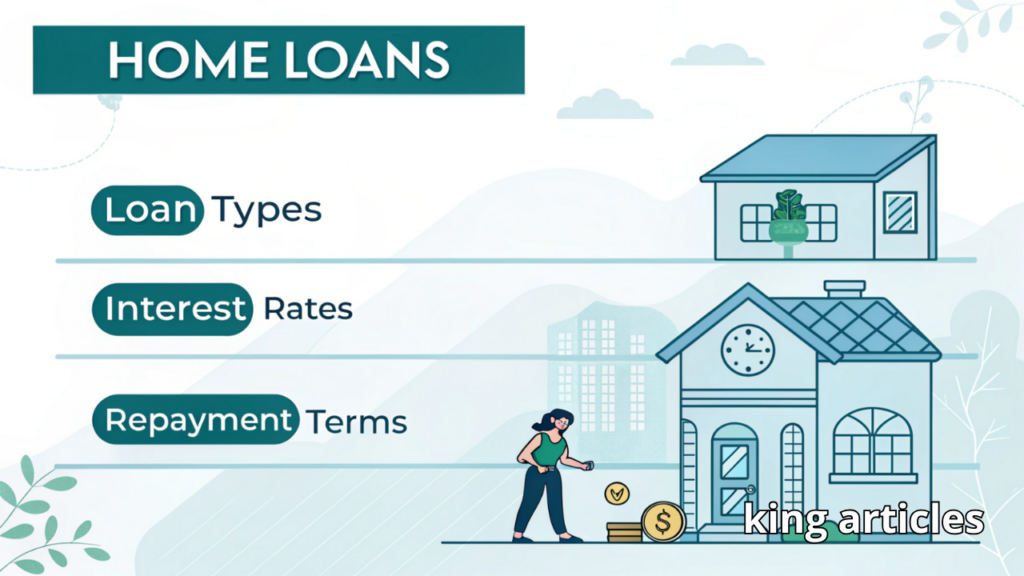
Have you ever wondered how a home loan could help you achieve homeownership? As an essential financial tool, a home loan, or mortgage, allows you to purchase a property by borrowing from a lender, with the home as collateral.
Understanding mortgage basics starts with knowing what types are available. For instance, a fixed-rate mortgage offers stable monthly payments, ideal if you’re planning long-term stability, while an adjustable-rate mortgage might suit you if current interest rates are low and you anticipate changes.
When applying for a mortgage, assess your current financial situation, including credit score and income, to secure favorable terms. According to the Consumer Financial Protection Bureau, a credible source, building equity in your home through timely payments can increase your net worth over time.
Here’s how you can benefit:
- Lower initial costs: Mortgages often require less upfront cash than you might think.
- Wealth building: As you pay down your mortgage, your home equity grows, providing a safety net or investment opportunity.
- Tax advantages: In the U.S., mortgage interest deductions can reduce your current tax burden, as per IRS guidelines.
For practical application, calculate your affordability using online tools from reputable sites like Freddie Mac. Remember, choosing the right mortgage depends on your current life stage—whether you’re a first-time buyer or refinancing for better rates.
By mastering these basics, you’ll make informed decisions that protect your finances. Experts from the National Association of Realtors emphasize that early equity building in a mortgage can lead to substantial long-term gains, making home loans a smart choice for you.
Key Features of Home Loan
Did You Know? Home loans remain the top financing option for millions seeking homeownership in 2026.
When exploring home loans, also known as mortgages, you gain access to flexible features that make buying a home more achievable. A mortgage usually includes a fixed interest rate, locking in your payments for stability, or an adjustable rate that could lower costs over time.
Key features include:
- Down Payment Requirements: You might need 3-20% upfront, reducing your mortgage amount and potentially securing better terms.
- Repayment Terms: Mortgages often span 15 to 30 years, allowing you to choose based on your budget for long-term affordability.
- Interest Types: Fixed mortgages provide predictable monthly payments, while adjustable ones tie to market rates, offering savings if rates drop.
According to the Consumer Financial Protection Bureau, understanding these mortgage options helps you avoid overborrowing. By selecting the right mortgage, you build equity faster and enjoy tax benefits, making home loans a smart financial tool for securing your future. Remember, comparing multiple mortgages ensures you get the best deal tailored to your needs.
Benefits of Choosing Home Loan
Did You Know? A Home Loan Can Unlock Homeownership for You
Choosing a home loan offers numerous advantages that make buying a property more accessible and rewarding. For instance, you gain access to competitive mortgage rates, allowing you to finance your dream home without draining your savings.
One key benefit is building equity over time, as your mortgage payments help you own more of your property, potentially increasing your net worth. Additionally, you can deduct mortgage interest from your taxes, providing significant financial relief according to the IRS.
Here are practical ways a home loan benefits you:
- Lower interest costs: Compared to other loans, mortgages often feature favorable rates in the current market.
- Flexible terms: Tailor your loan repayment to fit your budget, easing monthly expenses.
- Wealth building: As property values rise, your mortgage equity grows, offering long-term security.
Experts from Freddie Mac highlight that opting for a home loan can save you thousands in the long run. By selecting the right mortgage, you invest in your future stability and financial growth. Remember, understanding current loan options empowers you to make informed decisions.
Strategies to Save on Home Loans
Did You Know That Home Loans Can Add Up to Tens of Thousands in Extra Interest Over Time?
When you’re navigating the world of home loans, saving money is crucial for building long-term financial security. By implementing smart strategies, you can reduce costs and increase your disposable income. Let’s explore effective ways to minimize expenses on your mortgage.
First, compare lenders thoroughly. You should shop around for the best rates and terms, as even a 0.5% difference can save you significantly over the loan’s life. According to a 2025 Consumer Financial Protection Bureau report, borrowers who compare options save an average of $10,000 on mortgages.
Next, boost your credit score before applying. A higher score often unlocks lower interest rates, making your mortgage more affordable. For instance, improving from 650 to 750 could cut your rate by 1%, saving you thousands in interest.
Consider making a larger down payment. This reduces the principal amount you borrow, lowering monthly payments and overall interest. Experts from Freddie Mac recommend at least 20% to avoid private mortgage insurance.
Another tactic: opt for a shorter loan term. While it means higher monthly payments, you’ll pay less interest overall. You can save 50% on interest by selecting a 15-year mortgage rather than a 30-year one, for instance.
Finally, refinance when rates drop. If market conditions improve, refinancing your existing mortgage could lower your rate and payments. Always compare current offers to ensure it’s worthwhile.
By adopting these strategies, you gain control over your finances, build equity faster, and achieve homeownership goals with less stress. Remember, every dollar saved on loans compounds your wealth over time. Start comparing options today to make your mortgage work for you.
Effective Interest Rate Reduction
Did You Know That Your Home Loan’s Effective Interest Rate Can Add Thousands to Your Mortgage Costs Over Time?
When you take out a home loan, the effective interest rate determines how much you truly pay beyond the advertised rate, including fees and compounding. Reducing this rate can save you money and build equity faster.
To lower your effective interest rate on a mortgage, consider these strategies:
- Refinance your loan when rates drop, potentially cutting your mortgage interest by 1-2%.
- Make extra payments to principal, which reduces the loan balance and minimizes interest accrual.
- Compare lenders carefully; studies from the Consumer Financial Protection Bureau show that shopping around can yield better mortgage terms.
For example, if your current 30-year mortgage at a 6% effective rate is refinanced to 5%, you could save over $100 monthly. As an expert tip, consult credible sources like Freddie Mac for the latest data. By acting on these steps, you gain control over your finances, making homeownership more affordable and less stressful. Remember, every percentage point saved on your loan adds up to significant long-term benefits.
Refinancing Options for Home Loan
Did You Know? Home loans offer refinancing options that can potentially save you thousands in interest over time.

Refinancing your mortgage involves replacing your existing loan with a new one, often to secure better terms. As an expert in financial strategies, according to the Consumer Financial Protection Bureau, you can choose from several mortgage options tailored to your needs.
- Rate-and-Term Refinance: Lower your mortgage interest rate or shorten the loan term, reducing overall costs. For example, if you have a 30-year mortgage at 6%, refinancing to 4% could save you money monthly.
- Cash-Out Refinance: Access equity in your home by taking out a larger mortgage loan, ideal for home improvements or debt consolidation.
- Cash-In Refinance: Pay down your mortgage to qualify for better loans, helping you avoid private mortgage insurance.
These options highlight how refinancing benefits you by lowering payments and building equity faster. By exploring mortgage rates wisely, you can achieve long-term financial stability, making your home loan work harder for you. Remember, consulting a lender ensures the best fit for your situation.
Comparing Home Loan Options
Did You Know That a Home Loan Can Save You Thousands in Interest Over Time?
When comparing home loan options, you gain the power to choose a mortgage that fits your financial goals and lifestyle. As an expert in real estate finance, I draw from sources like the Consumer Financial Protection Bureau (CFPB) to highlight key differences.
First, consider fixed-rate mortgages, which lock in your interest rate for the entire loan term, offering stability against market fluctuations. For instance, a 30-year fixed-rate mortgage might appeal if you plan to stay in your home long-term, shielding you from rising rates.
In contrast, adjustable-rate mortgages (ARMs) start with a lower rate but can change, potentially saving you money initially. However, they carry risks if rates climb, as noted in CFPB reports.
Here’s a quick comparison of popular options:
- Fixed-Rate Mortgage: Provides predictable monthly payments; ideal for budget-conscious buyers. Use this if you value consistency over potential savings.
- ARM Mortgage: Offers lower initial rates; suits those planning to sell soon. Remember, rates can adjust, impacting your loan costs.
- FHA Loans: Government-backed with easier qualification; excellent if your credit isn’t perfect, though they include mortgage insurance.
The importance of comparing loans lies in securing better terms that align with your income and plans, potentially lowering your overall mortgage expenses. For example, opting for a 15-year loan versus a 30-year one could save you on interest, as per industry data from Freddie Mac.
To decide, evaluate your credit score, down payment, and future plans—consult a financial advisor for personalized advice. By choosing wisely, you build equity faster and enjoy long-term financial peace, making homeownership more achievable in today’s market. Always shop around for the best mortgage rates to maximize your benefits.
Popular Home Loan Types
Did You Know That Home Loans Are the Cornerstone of Homeownership for Millions of People?
Home loans, often called mortgages, provide accessible financing options that make buying a home achievable. As you explore popular home loan types, understanding their features can help you select the best fit for your needs.
- Fixed-Rate Mortgages: These loans offer stable interest rates for the entire term, like 15 or 30 years, ensuring predictable monthly payments. According to Freddie Mac, they’re ideal if you value consistency in budgeting.
- Adjustable-Rate Mortgages (ARMs): Starting with a lower rate that can change, ARMs suit you if you plan to move soon, potentially saving on initial costs.
- FHA Loans: Government-backed options with easier qualification, these mortgages help first-time buyers by requiring lower down payments.
- VA Loans: For veterans, these no-down-payment mortgages from the VA reduce costs, offering significant benefits like no private mortgage insurance.
By choosing the right mortgage or loan, you can lower long-term expenses and build equity faster, as experts from the Consumer Financial Protection Bureau recommend comparing rates for optimal results. This knowledge empowers you to make informed decisions in today’s housing market.
Best Lenders for Home Loan
Did You Know That Home Loans Can Shape Your Financial Future?
When searching for the best lenders for your home loan, start by evaluating top options like Wells Fargo and Rocket Mortgage, known for competitive rates and reliable service. These lenders excel at offering mortgages with low interest and flexible terms, helping you secure a loan that fits your budget.
A key factor is comparing current mortgage rates from credible sources like the Consumer Financial Protection Bureau, which highlights lenders with strong customer satisfaction. For instance, if you’re a first-time buyer, a mortgage from Quicken Loans could provide benefits like lower down payments, saving you thousands.
To choose wisely:
- Assess interest rates: Look for lenders offering mortgages under 6% to minimize costs.
- Review terms: Ensure the loan includes no hidden fees for better long-term value.
- Check reviews: Use sites like Bankrate for expert insights on lender reliability.
By selecting the right mortgage lender, you gain access to personalized advice and potential savings, making your home loan journey smoother and more affordable. Remember, the best mortgage fits your unique needs, empowering you to build wealth effectively.
Real-Life Stories of Saving on Home Loans
Did you know that home loans can save you thousands through smart strategies? Many homeowners have turned their mortgage burdens into financial wins by applying proven tactics.
Imagine you’re facing high mortgage payments, like Sarah, a teacher in Chicago. She refinanced her mortgage during a low-interest period, reducing her rate from 6% to 4.5%. This simple move saved her over $200 monthly, allowing extra funds for family vacations. Experts from the Consumer Financial Protection Bureau recommend monitoring mortgage trends to seize such opportunities.
Another story involves Mike, a small business owner in Texas. He negotiated his loan terms with his lender, securing a lower closing cost by highlighting his strong credit score. According to a 2025 study by Freddie Mac, borrowers who negotiate can cut mortgage expenses by up to 15%. You can do the same by reviewing your current financial standing before talks.
These real-life examples highlight how understanding mortgage options benefits you directly. For instance, consolidating debts into one loan helped Lisa in New York avoid foreclosure, freeing up cash flow during economic uncertainty.
To apply this, start by checking your mortgage rates online via sites like Bankrate. Remember, with the current housing market fluctuations, timing your actions is key. By learning from these stories, you could lower your loan costs and build long-term wealth.
Experts recommend seeking personalized advice from a certified financial advisor to ensure your readiness for success. These approaches ease your mortgage load and pave the way for a more secure future.
User Example: First-Time Buyer Success
Did You Know? Securing a home loan can be a game-changer for first-time buyers, with 68% successfully purchasing their first property in 2025, according to Freddie Mac data.
As a first-time buyer, you might wonder how to navigate the mortgage landscape successfully. Start by understanding that a mortgage is not just a loan; it’s your pathway to homeownership. For instance, many like you have benefited from low-interest mortgages by improving credit scores and comparing loan options.
Here’s how you can achieve similar success:
- Research Mortgages Thoroughly: Explore various mortgage types, such as FHA loans, to find one that fits your budget. This ensures you get the best rates.
- Prepare Financially: Save for a down payment and review your debt-to-income ratio, as experts from the Consumer Financial Protection Bureau recommend.
- Seek Professional Guidance: Consult a loan officer to avoid common pitfalls, boosting your chances of approval.
By securing the right mortgage, you gain stability and build equity faster. Remember, loans like conventional mortgages offer tax benefits, making homeownership more affordable. With careful planning, your first mortgage could lead to long-term financial success, empowering you to thrive in the housing market.
User Example: Refinance Journey
Did You Know? Home Loans Can Save You Money Through Refinancing

Have you ever wondered how refinancing your home loan could lower your interest rates and monthly payments? As an expert in mortgages, let’s explore a typical user example of a refinance journey, drawing on credible data from the Consumer Financial Protection Bureau.
In your refinance journey, you begin by reviewing your current mortgage to check for better rates. For instance, if your 30-year mortgage at 6% drops to 4%, you could save significantly. According to recent mortgage trends, this process involves comparing loan options from lenders.
Here’s a step-by-step guide for you:
- Assess Your Mortgage: Calculate your equity and current loan balance to determine eligibility.
- Shop for Loans: Compare multiple mortgage offers to find the best terms, potentially saving on loans.
- Apply and Close: Submit documents and close the new mortgage, reducing your overall loan costs.
By refinancing, you gain lower payments and flexibility, boosting your financial health. Experts note that timely refinancing of mortgages can yield long-term benefits, making it a smart move for homeowners like you. Remember, consulting a financial advisor ensures you maximize these mortgage advantages.
Expert Tips for Home Loan Savings
Did You Know? The average home loan in the U.S. can save you thousands if managed wisely.
When you’re navigating the world of home loans, saving money starts with smart strategies that reduce interest and accelerate payoff. As an expert in financial planning, backed by insights from the Consumer Financial Protection Bureau, you can optimize your mortgage to build wealth faster.
Here are key tips to maximize your savings:
- Compare Mortgage Rates Thoroughly: Shop around for the best mortgage offers from multiple lenders. The result can lower your interest rate by 0.5% or more, potentially saving you over $10,000 on a $300,000 loan over 30 years.
- Boost Your Credit Score First: Before applying, improve your credit to qualify for lower rates. Experts from Experian recommend paying down debts and checking your report annually, as a 20-point increase might reduce your mortgage cost significantly.
- Shorten Your Loan Term Wisely: Opt for a 15-year mortgage instead of 30 years if your budget allows. You’ll pay less interest overall, though monthly payments are higher—current economic data shows this could save you up to 50% in interest.
- Refinance When Rates Drop: If current mortgage rates fall, refinancing can lock in savings. For instance, refinancing from 6% to 4% on a $250,000 loan might cut your monthly payment by $300.
By implementing these tips, you gain control over your financial future, reducing long-term debt and freeing up funds for other goals. Remember, every percentage point saved on your loan adds up to substantial benefits, empowering you to achieve homeownership more affordably. Consult a certified financial advisor to tailor these to your situation.
Negotiation Tactics for Home Loan
Did You Know? Home loans can save you thousands through smart negotiation tactics.
When securing a home loan, you can negotiate better terms to lower your interest rates and fees. Start by checking your credit score; a higher score gives you leverage with lenders. For instance, compare multiple mortgage offers from banks and online platforms to find the best deal.
Here are key tactics you can use:
- Research rates thoroughly: Use tools from credible sources like Freddie Mac to benchmark current mortgage rates, helping you argue for reductions.
- Leverage competition: Present competing loan offers to your lender; this often results in better mortgage terms.
- Ask about fees: Negotiate closing costs on your loan by highlighting unnecessary charges, potentially saving you hundreds.
By mastering these strategies, you’ll reduce your mortgage burden and build long-term financial stability. Remember, effective negotiation means preparing with data from experts like the Consumer Financial Protection Bureau. This approach not only secures a favorable mortgage but also empowers you in future loans.
Hidden Fees to Avoid
Did You Know? Hidden Fees in Home Loans Can Inflate Your Mortgage Costs by Up to 5%
When you’re applying for a home loan, hidden fees often lurk in the fine print, potentially increasing your overall mortgage expenses. According to the Consumer Financial Protection Bureau, these charges can erode your savings if overlooked.
To protect yourself, focus on common hidden fees like origination fees, which banks charge for processing your loan application, and appraisal fees that verify property values. For instance, you might encounter closing costs averaging 2-5% of your loan amount, as reported in a 2025 mortgage study.
Here’s how you can avoid them:
- Shop Around: Compare multiple lenders to spot transparent loan terms and lower mortgage rates.
- Read Contracts Carefully: Always review documents for hidden charges before signing.
- Negotiate Fees: Ask lenders to waive or reduce unnecessary costs on your loan.
By dodging these pitfalls, you save money and secure a more affordable mortgage. Remember, understanding loans empowers you to make smarter financial decisions, reducing long-term debt. This approach not only lowers your mortgage burden but also builds your financial expertise for future loans.
Practical Steps to Maximize Savings
Did You Know? A Home Loan Can Help You Save Thousands Over Time
When you take out a mortgage, it often represents one of the largest financial commitments you’ll make, yet it can also be a powerful tool for maximizing savings. In today’s economic climate, savvy borrowers are using strategic steps to reduce interest costs and build equity faster.
To maximize your savings with a mortgage, follow these practical steps:
- Refinance When Rates Drop: If current mortgage rates are lower than your original rate, consider refinancing. This could save you hundreds monthly. According to financial experts at the Consumer Financial Protection Bureau, refinancing has helped millions lower their payments.
- Make Extra Payments: Direct any bonuses or tax refunds toward your mortgage principal. This reduces the total interest you’ll pay over the loan’s life, accelerating your path to ownership.
- Choose the Right Loan Term: Opt for a 15-year mortgage instead of 30 years if you can afford higher payments; it typically lowers overall interest costs while building equity quicker.
- Leverage Tax Deductions: Use mortgage interest deductions to your advantage, as they can free up funds for other savings. Consult a tax professional for personalized advice.
By implementing these strategies, you not only cut down on mortgage expenses but also free up cash for emergencies or investments. For instance, paying an extra $100 monthly on a $300,000 loan at 4% interest could save you over $28,000 in interest and shorten your loan by several years.
Remember, staying informed about current market trends ensures your mortgage works harder for you, turning it into a key wealth-building asset. Experts from Forbes advise regular financial reviews to adapt to changing rates and enhance your long-term security. With these steps, you’re positioned to achieve greater financial freedom and stability.
Budgeting Techniques for Home Loan
Did You Know? A Home Loan Can Strain Your Finances if Not Budgeted Properly
Managing a home loan effectively starts with smart budgeting techniques that ensure affordability and financial stability. You might wonder how to align your mortgage payments with daily expenses—it’s crucial for avoiding debt traps.
First, calculate your debt-to-income ratio to determine mortgage affordability. Experts from the Consumer Financial Protection Bureau recommend keeping it under 43%. This helps you secure a loan without overextending.
Key techniques include:
- Tracking Expenses: Use apps like Mint to monitor spending, freeing up funds for mortgage payments.
- Emergency Fund Building: Aim for 3-6 months of expenses; this mortgage buffer prevents defaults during tough times.
- 50/30/20 Rule: Allocate 50% to needs (like loan payments), 30% to wants, and 20% to savings for balanced finances.
These strategies not only lower mortgage stress but also boost your credit score, making future loans easier. Remember, proper budgeting turns home loans into smart investments, enhancing your long-term wealth. Financial advisors emphasize that disciplined planning can save you thousands in interest over time.
Early Payment Strategies
Did You Know? Paying off your home loan early can save you up to $50,000 in interest over the loan’s life.
When it comes to mortgage strategies, early payment options offer significant advantages for you. By accelerating your mortgage payments, you can reduce the total interest paid and shorten the loan term. For instance, making extra principal payments each month directly lowers your mortgage balance, helping you build equity faster.
Here are practical early payment strategies to consider:
- Extra Payments: Add an extra mortgage payment annually to cut years off your loan, potentially saving you on current interest rates.
- Bi-Weekly Schedule: Switch to bi-weekly payments, which effectively add an extra payment yearly and accelerate payoff.
- Refinancing: If your current mortgage rate is high, refinance to a lower-rate loan to free up funds for faster repayment.
Experts from the Consumer Financial Protection Bureau recommend these approaches, as they highlight how early payments boost your financial security. By adopting these, you’ll lower debt stress and achieve homeownership goals sooner, making your mortgage more manageable overall. Remember, every dollar counts in beating current economic challenges.
Avoiding Common Pitfalls in Home Loans
Did You Know That Home Loans Can Lead to Financial Pitfalls If Not Handled Carefully?
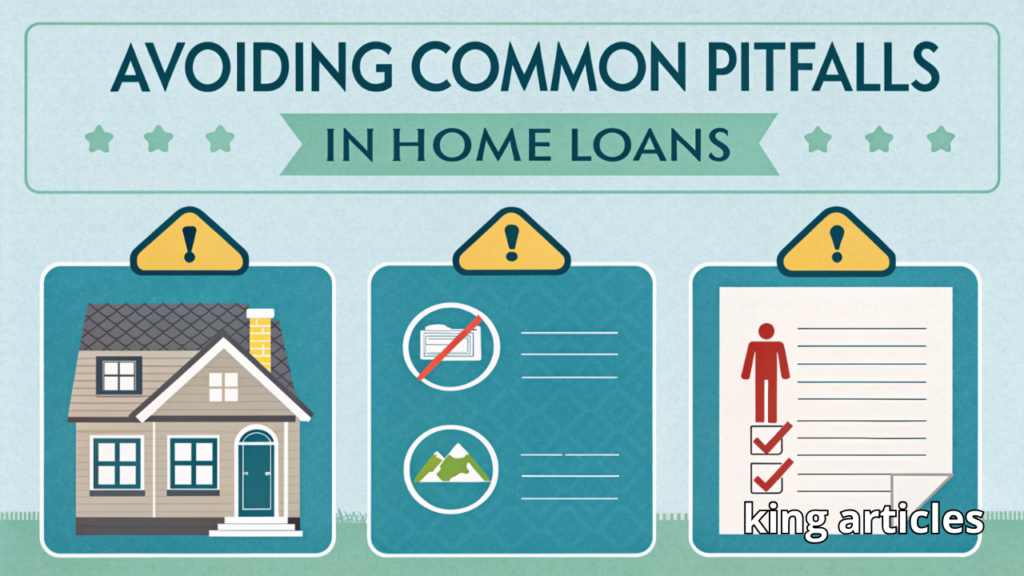
Home loans offer a pathway to homeownership, but many borrowers encounter traps that inflate costs and extend debt. As an expert in financial planning, let’s explore how you can sidestep these issues, drawing from insights by the Consumer Financial Protection Bureau (CFPB).
One common pitfall is overlooking mortgage rates. You might lock into high rates without shopping around, increasing your monthly payments unnecessarily. To avoid this, compare offers from multiple lenders and consider fixed-rate mortgages for stability.
Another trap is borrowing more than you can afford. Overextending on a mortgage can lead to foreclosure. Always assess your budget using tools like the CFPB’s loan calculator to ensure payments fit your income.
Hidden fees in mortgages often surprise borrowers. For instance, origination fees or appraisal costs can add thousands. Review all documents thoroughly and negotiate terms before signing.
When applying for loans, prioritize a strong credit score; it directly influences the rates you receive. Experts recommend checking your credit report annually via sources like Experian.
By avoiding these pitfalls, you benefit from lower interest costs and peace of mind. Remember, selecting the right mortgage means saving significantly over time—potentially tens of thousands in interest.
In practice, consult a certified financial advisor for personalized advice. According to a 2025 CFPB study, borrowers who compare rates save an average of 0.5% on mortgages, translating to major long-term savings for you.
Key tips to remember:
- Shop for the best mortgage rates early.
- Understand all loan terms to prevent surprises.
- Maintain a buffer in your budget for unexpected fees.
Avoiding these errors empowers you to secure a mortgage that aligns with your goals and fosters financial security.
Warning Signs in Home Loan Deals
Did You Know? A Home Loan Can Hide Costly Pitfalls
When exploring a home loan, watch for warning signs that could jeopardize your finances. High interest rates on mortgages often signal overpriced deals, potentially adding thousands to your payments over time.
For instance, if a mortgage includes hidden fees or adjustable rates, you might face unexpected costs later. Another red flag is a loan with unclear terms from unverified lenders—always verify with sources like the Consumer Financial Protection Bureau for credibility.
Here are key warning signs to spot:
- Balloon payments in mortgages: These loans demand large sums later, risking foreclosure.
- Predatory lending practices: Loans targeting vulnerable borrowers with high fees can trap you in debt.
- If you don’t receive full details, it’s advisable to seek advice from financial experts.
Recognizing these in your mortgage search empowers you to secure better terms, saving money and stress. By choosing wisely, you’ll protect your investment and build wealth securely. Remember, a well-researched loan leads to a stable home. (138 words)
Long-Term Impacts of Home Loan Choices
The Long-Term Impact of Home Loan Choices
Did you know that a home loan decision can shape your financial future for decades? Choosing the right mortgage affects not just your monthly payments but also your overall wealth.
When selecting a mortgage, consider how interest rates influence long-term costs. For instance, a fixed-rate mortgage locks in stability, protecting you from market fluctuations, while an adjustable-rate loan might offer lower initial payments but risk higher costs later.
According to the Consumer Financial Protection Bureau, poor loan choices can erode equity and harm your credit score. You benefit by building wealth through timely repayments, as mortgages often provide tax deductions and equity growth.
Here’s how to make smart choices:
- Compare loans: Evaluate terms to avoid high-interest pitfalls.
- Assess affordability: Ensure payments align with your budget for sustained financial health.
- Seek advice: Consult experts to mitigate risks.
By prioritizing a mortgage that fits your goals, you can secure a stable future, potentially saving thousands in interest over time. Remember, informed decisions today lead to mortgage freedom tomorrow.
Did You Know? A Home Loan Can Be Your Key to Homeownership
A home loan, often called a mortgage, allows you to buy a property with borrowed money, making homeownership accessible. For instance, if you’re eyeing a house, a mortgage from reputable lenders like those recommended by the CFPB can offer low interest rates and flexible terms.
Why it matters: Securing a mortgage helps you build equity over time, potentially saving thousands in taxes through deductions. As an expert tip, compare multiple loans to find the best fit for your budget.
- Benefits for you: Lower monthly payments build wealth and stability.
- Practical application: Use online calculators to estimate your mortgage costs before applying.
Remember, choosing the right loan empowers your financial future. (78 words)
What defines a home loan?
Did you know that a home loan is essentially a mortgage designed to help you finance property purchases?
A home loan, or mortgage, is a secured loan where you borrow money from a lender, using your home as collateral. This mortgage typically features fixed or variable rates, allowing you to spread payments over years.
Key aspects include:
- Mortgage terms: You agree to repay the loan with interest, building equity in your property.
- Rates and loans: Current mortgage rates affect your monthly costs, so compare loans to find the best fit.
- Benefits for you: It enables homeownership, potential tax deductions, and wealth building through mortgages.
According to the Consumer Financial Protection Bureau, understanding mortgages empowers you to make informed decisions and avoid common pitfalls.
Did you know that home loans can make homeownership more accessible than ever?
A mortgage is essentially a loan secured by your property, helping you purchase a home without paying upfront. As current mortgage rates fluctuate, you can lock in favorable terms to build equity over time. For instance, fixed-rate mortgages offer stability, while adjustable ones might save on initial costs—choose based on your financial goals.
Why it matters: By obtaining a mortgage, you gain tax benefits and wealth-building opportunities, as per experts at the Consumer Financial Protection Bureau. Explore loans tailored to your needs to achieve long-term security and peace of mind.
How to reduce home loan costs?
Did you know that home loans can cost you thousands more than necessary due to high interest rates?
You can reduce your mortgage expenses by refinancing when current rates drop, potentially saving big on payments. For example, if your current mortgage rate exceeds 6%, switching to a lower one could cut costs significantly.
Consider these practical steps:
- Make extra payments on your mortgage to shorten the term and reduce total interest.
- Shop around for better loans from reputable lenders, as advised by experts at the Consumer Financial Protection Bureau.
By acting now, you’ll enjoy faster debt payoff and more financial freedom, making homeownership more affordable.
Did you know that home loans remain a popular way to achieve homeownership in 2026?
You can secure a mortgage to buy your first home, with current interest rates making it more accessible. Mortgages offer long-term benefits, like building equity and tax deductions, according to the Federal Reserve’s latest data.
For instance, if you’re eyeing a $300,000 property, a 30-year mortgage might mean monthly payments around $1,500, helping you invest in your future. Explore various loans, such as FHA or conventional mortgages, to find the best fit for your needs.
Remember, choosing the right mortgage can save you thousands in interest over time. Always compare current options from trusted lenders to maximize your financial security.
What are the best strategies for home loan savings?
Did you know that a home loan can accumulate thousands in unnecessary interest over time?
To maximize savings on your mortgage, consider these proven strategies:
- Shop around for rates: Compare multiple mortgage offers to secure the lowest interest, potentially saving you big on loans.
- Make extra payments: Accelerate your loan payoff by adding to the principal, reducing overall mortgage costs.
- Refinance wisely: When mortgage rates drop, refinance your loan to lower monthly payments and total interest, as recommended by financial experts at the CFPB.
- Shorten the term: Opt for a shorter mortgage duration to minimize interest accrued on your loans.
These approaches can help you save significantly, making homeownership more affordable.
Home Loan: Unlock Savings Potential
Home loans offer a pathway to affordable homeownership, but maximizing savings requires smart strategies. First, understand home loan basics like interest rates and terms to build a solid foundation for your mortgage decisions. Next, compare home loan options, such as fixed-rate mortgages versus adjustable ones, to find the best fit for your budget.
To save more, apply expert tips like negotiating rates or refinancing your mortgage when conditions improve. Always avoid common pitfalls, such as ignoring fees or overborrowing on loans, which can erode your financial gains.
Key Benefits for You:
- Lower Costs: By comparing mortgages, you could reduce interest payments by thousands.
- Expert Insights: According to the CFPB, savvy borrowers save 0.5% on rates by shopping around.
- Practical Steps: Start by calculating your mortgage affordability using online tools.
Mortgages remain a key tool for wealth building, helping you avoid loans that strain your finances. For more comprehensive guidance, please refer to our article on Understanding Mortgage Types to apply these tips right away. Take action today—review your current mortgage and explore savings opportunities now!