
Topic Basics
Did You Know? The average American holds 4 credit cards, each offering unique rewards and benefits tailored to different lifestyles.
Understanding the basics is crucial when selecting the perfect credit card. Credit cards aren’t just for borrowing; they’re tools that can build your credit score and earn rewards. Let’s explore credit card basics first. Credit cards function as lines of credit from banks, allowing you to make purchases and pay later, but they come with interest rates and fees you must manage wisely.
Next, assess your financial goals. You might aim to reduce debt, earn travel rewards, or build credit history. For instance, if travel excites you, choose cards that offer high rewards on flights and hotels, as recommended by experts at Consumer Reports.
Now, compare credit card options. Look at annual fees, APRs, and perks like cash back or bonus points. Websites like NerdWallet provide credible comparisons to help you decide.
To choose the right credit card, match it to your spending habits. If you dine out often, a card with restaurant rewards could save you money.
Finally, follow daily usage tips for credit cards. Always pay your balance on time to avoid interest, monitor for fraud, and use apps from issuers like Chase for easy tracking.
By mastering these steps, you’ll maximize your credit card’s benefits, enhancing your financial health and potentially earning thousands in rewards annually. Remember, the best card aligns with your needs, making everyday spending smarter and more rewarding.
Explore Credit Card Basics
Did You Know? Credit Cards Can Help You Build Credit While Earning Rewards

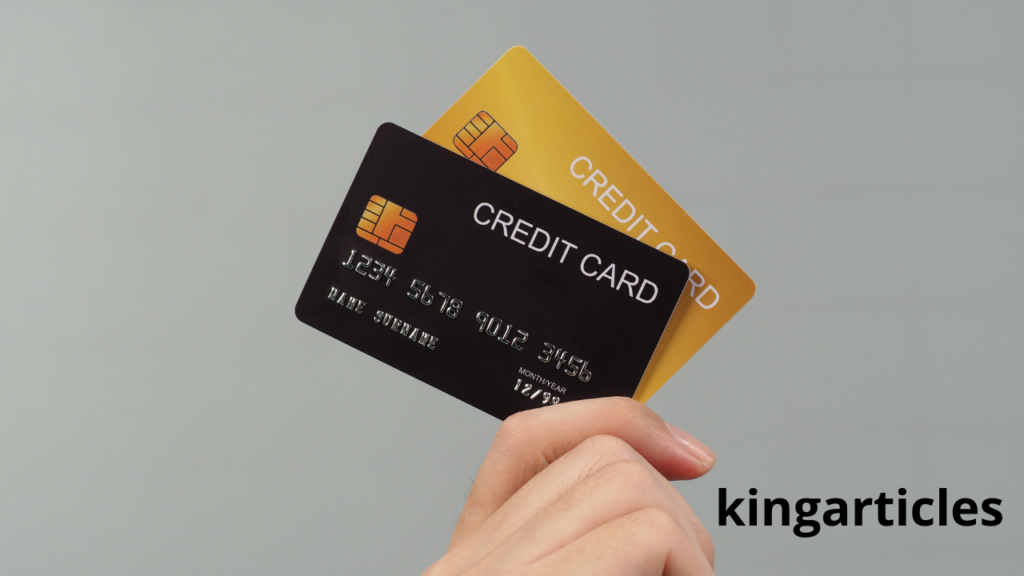
Have you ever wondered how the right credit card can transform your financial habits? Credit cards are essential tools for managing expenses, offering benefits like rewards and security features that suit your lifestyle.
When choosing the perfect card, start by evaluating your needs. For instance, if you seek cash back on everyday purchases, look for cards that provide generous cash rewards. According to the Consumer Financial Protection Bureau, selecting a card based on your spending patterns can save you hundreds annually.
Consider these key factors when making an informed decision:
- Rewards and Offers: Many cards offer cash back on groceries or travel, with offers up to 5% on specific categories. This means you earn cash while shopping, boosting your budget.
- Interest Rates and Fees: Compare annual fees and APRs; low-interest cards help avoid debt if you carry a balance.
- Additional Perks: Some cards include travel insurance or purchase protection, offering peace of mind for frequent travelers.
Exploring different cards can lead to better financial health. For example, if you’re a student, cards with no annual fee and cash offers on books might be ideal. Experts from NerdWallet recommend reviewing at least three cards before applying to maximize benefits.
The importance of picking the right card lies in its potential for long-term savings. With various offers, you could earn significant cash rewards, making your purchases work for you. Always check credible sources like the Federal Reserve for updated guidelines on card usage.
By understanding these basics, you empower yourself to select a card that aligns with your goals, enhancing your financial security and rewards potential. Remember, the best cards offer a mix of cash benefits and tailored perks for your needs.
Types of Credit Cards Available
Did You Know? Credit Cards Offer a World of Choices
When choosing the perfect credit card, you first need to compare the main types available. For instance, rewards cards offer cash back on everyday purchases, helping you earn perks like travel miles. Travel cards, on the other hand, provide exclusive offers for flights and hotels, ideal if you jet-set often.
Secured cards are excellent for building credit, requiring a deposit, while business cards offer tailored benefits for entrepreneurs, such as tracking expenses easily. According to the Consumer Financial Protection Bureau, selecting based on your habits can save money and boost rewards.
To apply wisely, compare interest rates and fees; many banks offer pre-approval tools. By understanding these options, you gain financial flexibility and potential savings—empowering your daily life with smarter spending decisions. Remember, the right card enhances your financial security and future opportunities.
Key Features of Credit Cards
Did you know that the average credit card offers rewards worth hundreds of dollars annually?
When you’re selecting the perfect credit card, understanding its key features can save you money and maximize benefits. Start by comparing interest rates, which determine your borrowing costs—lower rates mean less debt over time.
Key features include:
- Rewards programs: Many cards offer cash back or travel points; for example, you could earn 2% on groceries, helping you offset daily expenses.
- Fees and APRs: Look for no annual fees and introductory 0% APR offers to apply for cards that fit your budget.
- Security measures: Features like fraud alerts and EMV chips protect your transactions, as recommended by the Consumer Financial Protection Bureau.
By comparing these, you can apply for a card that offers tailored perks, which will enhance your financial health. Remember, the right card offers flexibility for everyday use, making it easier to build credit responsibly. According to financial experts, savvy users apply these insights to choose cards that align with their lifestyle.
Assess Your Financial Goals
Did You Know That Credit Cards Can Be Tailored to Your Financial Aspirations?

When you’re evaluating credit cards, assessing your financial goals first is essential. This step ensures you select a card that aligns with your needs, whether it’s building credit, earning rewards, or managing debt.
Start by clarifying your objectives. For instance, if saving for a vacation is your aim, look for cards offering cash back on everyday purchases. According to a 2025 report from the Consumer Financial Protection Bureau, aligning cards with goals can boost your savings by up to 15%.
Here’s how to assess effectively:
- Identify Priorities: Ask yourself what matters most—perhaps earning cash rewards or travel perks.
- Evaluate Spending Habits: Track where you spend the most; if it’s groceries, seek cards with cash bonuses in that category.
- Consider Long-Term Benefits: If debt reduction is key, choose low-interest offers that help you pay off balances faster.
- Weigh the Offers: Compare annual fees against rewards; a card with generous cash offers might justify the cost.
By doing this, you apply strategic thinking to your choices, maximizing benefits like cash returns and exclusive perks. Financial experts from NerdWallet recommend applying this method to avoid common pitfalls, such as high-interest traps.
Remember, the right card doesn’t just offer cash incentives; it supports your broader plans. For example, if you’re building an emergency fund, apply for a card with no foreign transaction fees for international transfers.
Ultimately, this process empowers you to make informed decisions, enhancing your financial security and freedom. Take time to apply these insights today, and watch your goals become more achievable through smart credit card selection.
Matching Cards to Spending Habits
Did you know that the right credit card can align perfectly with your spending habits, potentially saving you money each month?
When choosing a credit card, start by analyzing your daily expenses—such as groceries, travel, or dining out—to find the best match. Credit cards offer rewards tailored to specific categories, like cash back on everyday purchases or points for travel. For instance, if you frequently dine out, a card with bonus rewards at restaurants can maximize your benefits.
You gain significant advantages by matching cards to your habits, including lower interest rates and personalized perks that enhance your financial health. Credit experts from sources like Consumer Reports recommend reviewing your spending patterns annually to switch cards effectively.
Here’s a quick guide:
- Track your habits: Use apps to categorize monthly expenses.
- Compare options: Look for cards with high rewards in your top categories.
- Apply strategically: Choose based on credit scores and fees to avoid pitfalls.
By doing so, you can optimize your credit usage, turning routine spending into valuable rewards. Remember, the ideal card boosts your financial flexibility and long-term savings.
Evaluating Credit Score Impact
Did you know that your credit card score often determines the cards you can access?
When you’re evaluating how your credit score impacts choices, start by understanding its key role in approval. Your credit score, a three-digit number from agencies like FICO, reflects your financial history and affects interest rates and rewards.
For instance, if your credit score is excellent (above 800), you might qualify for premium cards with cashback bonuses. However, lower scores (below 670) could limit you to secured cards with higher fees.
To choose the perfect card, regularly check your credit report via AnnualCreditReport.com—you’ll spot errors and track improvements. This evaluation helps you build credit over time, potentially saving thousands in interest.
Benefits include better loan terms and financial security. Remember, monitoring your credit empowers smarter decisions, ensuring you pick cards that align with your goals. Use tools like Credit Karma for free insights, boosting your financial expertise.
Compare Credit Card Options
Is Your Credit Card Holding You Back?
When choosing the perfect credit card, comparing options can save you hundreds in fees and interest. As an expert in financial products, I draw from sources like the Consumer Financial Protection Bureau (CFPB) to guide you through this process.

You might wonder, what makes one card better than another? Start by evaluating key factors like interest rates, rewards, and annual fees. For instance, if you travel often, rewards cards offering airline miles could maximize your benefits, while cash back cards suit everyday purchases.
Comparing cards helps you avoid pitfalls. According to CFPB data, selecting the wrong card might lead to higher interest costs. Here’s how to do it effectively:
- Assess Interest Rates: Look for cards with low APRs to minimize debt if you carry a balance.
- Examine Rewards: Cash back cards provide 1-5% returns on spending, turning your purchases into savings.
- Review Fees: Annual fees on premium cards can exceed $500, so ensure perks justify the cost.
- Check Perks: Many cards offer cash advances or travel insurance, enhancing your financial security.
By comparing these elements, you can pick a card that aligns with your lifestyle, potentially earning cash rewards or avoiding hidden charges. Remember, tools from sites like Bankrate make comparisons easy and credible.
The importance lies in personalization; the right card boosts your credit score and frees up cash for goals like vacations. Don’t overlook issuer reviews—choose reputable ones for better service.
Ultimately, taking time to compare cards empowers you to make informed decisions, leading to long-term financial wins. Start today for a smarter credit future.
Best Rewards on Credit Cards
Did you know that the typical rewards program for credit cards can save you up to 5% on everyday purchases?
When you’re searching for the best rewards on credit cards, focus on what aligns with your spending habits. Credit cards that offer cash back, travel miles, or points can maximize your savings and perks. For instance, cards from major issuers like Chase or American Express often provide bonus categories, such as 5% back on groceries.
To choose the perfect card, evaluate offers based on annual fees, redemption options, and interest rates. You benefit from tailored rewards that fit your lifestyle, turning routine expenses into free trips or cash.
Experts from Consumer Reports recommend comparing at least three credit options to ensure the best fit. Remember, the right credit card enhances your financial health by rewarding loyalty and smart usage.
Key tips for selection:
- Assess your monthly spending to match reward categories.
- Look for sign-up bonuses that offer immediate value.
- Always pay off balances to avoid high interest, preserving your rewards.
By prioritizing these factors, you can enjoy substantial returns on your credit expenditures.
Fees and Interest Rates Comparison
Did You Know? Credit cards with high interest rates can cost you thousands in extra fees over time.
When you’re choosing the perfect card, comparing fees and interest rates is essential for saving money and avoiding debt traps. Annual fees, balance transfer fees, and APRs vary widely across cards, directly impacting your finances.
For instance, a card with a 15% APR might save you cash compared to one at 25%, especially if you carry a balance. Lower interest cards enable you to pay off debt more quickly, freeing up funds for other objectives, according to the Consumer Financial Protection Bureau.
Here’s how to compare effectively:
- Examine annual fees: Look for cards under $100 if you’re a light user, as they offer more cash-back value.
- Compare APRs: Opt for variable or fixed rates below 20% to minimize interest costs.
- Check cash advance fees: These often exceed 5%, so choose cards that waive them for emergencies.
By focusing on these factors, you can select cards that align with your spending habits, potentially earning more cash rewards while keeping costs low. Remember, the right card empowers you to build credit wisely and enjoy long-term benefits.
Choose the Right Credit Card
Did You Know? Over 191 million Americans hold at least one credit card, making it a pivotal tool for financial management.
When you’re selecting the right credit card, it’s essential to align it with your lifestyle and goals, ensuring you maximize benefits while minimizing risks. Credit cards offer a gateway to rewards, security, and convenience, but choosing wisely can save you money and build your credit score over time.
To start, evaluate your spending habits. For instance, if you travel frequently, a card like the Chase Sapphire Preferred offers travel perks and bonus points on flights and hotels. This enhances your experiences and provides cash-back opportunities. Credit cards with low interest rates are ideal if you carry a balance, helping you avoid high costs.
Consider these key factors:
- Rewards and Offers: Look for cards that match your purchases; some offer 5% cash back on groceries, boosting your savings.
- Fees and APR: Annual fees might be worth it if the card offers exclusive perks, but always compare APRs from sources like Bankrate.com to ensure affordability.
- Credit Building: If you’re new to credit, secured cards can help establish a positive history, leading to better future offers.
Ultimately, the right credit card empowers you to earn rewards, manage debt effectively, and achieve financial goals. According to the Consumer Financial Protection Bureau, informed choices can reduce interest payments by hundreds annually. By focusing on these elements, you’ll make a decision that offers long-term value and peace of mind. Remember, credit is a powerful tool—use it strategically to enhance your financial health.
Application Process Essentials
Did You Know? Over 75% of Americans hold at least one credit card, making the application process a key step in financial empowerment.

When you’re selecting the perfect credit card, understanding the application essentials can streamline your journey and boost approval chances. First, check your credit score via sites like Credit Karma; this determines eligibility for top cards. Gather necessary documents, such as ID, proof of income, and recent bills, to avoid delays.
For example, if you aim for rewards cards, ensure your credit history aligns with requirements from issuers like Chase or American Express. Benefits include better interest rates and perks tailored to your needs.
Key steps include:
- Reviewing credit reports from the three major bureaus.
- Comparing cards based on fees and rewards.
- Submitting applications online for quick responses.
By mastering these credit card essentials, you enhance your financial options and secure cards that fit your lifestyle, ultimately saving money and earning rewards efficiently. Remember, a strong credit profile leads to more opportunities.
Manage Credit Card Wisely
Did You Know? Over 191 million Americans use credit cards, but mismanagement leads to billions in unnecessary debt annually.
When it comes to managing your credit card wisely, choosing the perfect one is your first smart step. As an expert in financial planning, I recommend starting by evaluating cards that align with your spending habits, as advised by the Consumer Financial Protection Bureau (CFPB).
For those looking to choose the perfect card, focus on key factors like interest rates, rewards programs, and fees. For instance, if you frequently use cards for everyday purchases, opt for one with cash back on groceries or gas. This can help you earn rewards without overspending.
Here are practical tips to manage your cards effectively:
- Track your spending: Use apps like Mint to monitor balances and avoid debt traps.
- Consider making timely payments by setting up auto-payments to enhance your credit scores and avoid interest charges.
- Leverage rewards: Redeem cash back for bills, turning your card into a cash-saving tool.
The importance of wise management can’t be overstated—it protects your financial health and boosts your creditworthiness. According to a 2024 Federal Reserve study, users who manage cards well save an average of $500 annually in interest and fees.
Remember, not all cards are equal; compare options from providers like Chase or American Express to find one that offers the best cash rewards. By doing so, you can turn your card into a powerful ally for building wealth.
In practice, always pay more than the minimum to prevent high-interest accumulation, and consider cash advances as a final option due to their steep fees. With these strategies, you’ll maximize benefits while minimizing risks, making your financial future more secure.
Daily Usage Tips for Credit Cards
Did you know that a credit card can simplify your daily finances if used smartly?
When choosing the perfect credit card, consider these daily usage tips to maximize benefits and avoid pitfalls. First, always pay your credit card balance in full each month to build a strong credit score and dodge interest fees. You might track spending with apps like Mint, helping you stay within budget and earn rewards efficiently.
For everyday purchases, use cards that offer cash back on groceries or gas, turning routine expenses into savings. Experts from the Consumer Financial Protection Bureau recommend reviewing statements weekly to spot fraud early, protecting your financial health.
By adopting these habits, you’ll not only manage credit effectively but also identify features like low APRs that suit your lifestyle. Remember, the right credit card empowers you to build wealth while minimizing risks. Use these strategies daily for long-term financial success.
Avoiding Common Credit Card Pitfalls
Did You Know That Credit Cards Are a Double-Edged Sword?
When choosing the perfect card, you can easily avoid common pitfalls that trip up many users. Start by researching cards thoroughly to compare interest rates and fees, as overlooked details often lead to unexpected costs.
For instance, high annual fees on premium cards can erode your rewards, while carrying a balance invites compounding interest. To sidestep this, always pay your balance in full each month and steer clear of cash advances, which charge hefty fees and high interest rates.
Remember, the best cards offer cash back rewards without hidden traps. By selecting wisely, you safeguard your finances and build credit effectively.
- Key Tip 1: Review the card’s terms from credible sources like the Consumer Financial Protection Bureau.
- Key Tip 2: Opt for cards with no foreign transaction fees if you travel often.
- Practical Benefit: Avoiding these pitfalls helps you save cash and maximize rewards, putting you in control.
Ultimately, informed choices with cards ensure long-term financial health.
Building Long-Term Credit Habits
Did You Know? Choosing the right credit card can be the foundation of building long-term credit habits that benefit you for years.
When you’re aiming to establish solid credit habits, selecting the perfect card is a crucial first step. You can start by evaluating cards based on your spending patterns and financial goals, ensuring they align with your lifestyle.
For instance, if you travel often, a rewards card might help you earn points while building credit responsibly. Always check the annual fee and interest rates to avoid unnecessary costs.
To build long-term credit, you should:
- Pay your credit card balance in full each month to maintain a low credit utilization ratio.
- Use cards that report to major credit bureaus, boosting your score over time.
- Monitor your credit report annually via sources like AnnualCreditReport.com for accuracy.
By focusing on these habits, you’ll improve your credit score, unlock better loan rates, and gain financial security. Remember, the best cards reward consistent, responsible use, helping you achieve lasting financial health. According to experts at the Consumer Financial Protection Bureau, disciplined credit management can lead to a 50-100 point score increase in 6-12 months. Always choose cards that match your needs for optimal results.
What is the best credit card for beginners?
Did you know that the right credit card can build your credit score while earning rewards?
For beginners, the best cards often feature low fees, cash back on everyday purchases, and tools to track spending. You benefit from options like the Capital One Quicksilver, offering 1.5% cash back on all purchases, or the Discover it® Cash Back, which matches your first year’s money back.
When choosing, prioritize cards with no annual fee to avoid costs, helping you establish beneficial habits. Explore these cards to match your needs and boost financial health. Always review terms from credible sources like NerdWallet for expert guidance.
How does a credit card affect your credit score?
How Credit Cards Shape Your Credit Score
Did you know a credit card is a powerful tool that directly influences your credit score? When you use cards responsibly, like making on-time payments, it boosts your score by demonstrating positive habits. For example, keeping utilization under 30% on your card offers long-term benefits, as per FICO guidelines.
However, maxing out cards or missing payments can lower your score quickly. To choose the perfect card, select one that offers features aligned with your goals, such as rewards for timely use.
Cards provide opportunities to build credit, but they also pose risks if mismanaged. By opting for cards that offer perks and monitoring usage, you enhance your financial standing and access better loan offers. Remember, your card choices shape future opportunities.
What are common fees on credit cards?
Did you know that credit cards often include fees that can erode your rewards and savings?
When choosing the perfect card, you need to watch for common fees that affect your finances. For instance, annual fees on cards can range from $95 to $500, while late payment fees might hit $25 to $35 per incident. Cash advance fees, typically 3-5% of the amount, make borrowing cash from cards expensive.
To benefit, compare cards carefully—select ones with low or no fees to maximize rewards. According to the Consumer Financial Protection Bureau, savvy cardholders save hundreds annually by avoiding these pitfalls. Remember, understanding cards’ fees helps you pick wisely and keep more cash in your pocket.
Credit Cards: Your Key to Smarter Spending
Credit cards can unlock financial flexibility when selected thoughtfully, helping you build credit and earn rewards tailored to your needs.
First, explore credit card basics: Understand interest rates, fees, and rewards to make informed decisions. Next, assess your financial goals—whether it’s travel perks or cash back—to align with your lifestyle. Then, compare credit card options from major issuers like Chase or American Express, focusing on offers that suit your spending habits. Choose the right card by evaluating annual fees against benefits, ensuring it fits your credit score.
For daily usage, use cards responsibly to avoid debt; set spending limits and pay balances in full. These offers provide value by saving money and boosting credit, as recommended by financial experts at Consumer Reports.
By applying these tips, you’ll maximize rewards and minimize risks. Start comparing cards today and check out our guide on “Best Credit Cards of 2025” for more insights. Share your experiences in the comments!


