Are you considering a new loan or a rate reduction? You’ll get clear steps to decide if a refinance or change to your mortgage helps you save money or cut months off your payoff timeline. The guide combines current market signals, common loan types, and closing-cost math so you can act with confidence.
Market snapshot: As of Aug. 20, 2025, the average 30-year mortgage sits near 6.61%, with typical refinance numbers around 6.77% for 30-year fixed and roughly 6.05% for shorter fixed terms. Refinance activity rose 8% year-over-year, and many homeowners with 7.5%+ loans are driving interest.
This introduction will help you weigh lower monthly payment goals, tapping home equity, and the costs versus benefits of different loan choices. You’ll also learn how to compare APR, fees, and closing costs—usually 2%–5% of the loan—to find the best timing and lender.
- Compare the rate, APR, and fees on the same day to get a true cost picture.
- Use closing-cost estimates and breakeven math to see if a move pays off.
- Shorter loan terms can cut interest but may raise your monthly payment.
- Cash-out vs. HELOC: match the option to your project, debt, and timeline.
- Shop lenders, lock a competitive rate, and prepare documents to save time.
Topic Basics
Refinance today: understand the current rate climate in the United States
Today’s rate backdrop matters: small percentage moves change your monthly bill and long-term interest costs. Use national averages as a benchmark when you request quotes from any lender.
Present market snapshot: average mortgage and refinance rates
Weekly national averages (Aug. 13, 2025) show a 30-year fix near 6.61%. Typical refinance averages are about 6.77% for 30-year fixed and roughly 6.05% for 15- and 10-year fixed loans. A common 5/1 ARM sits near 6.15%.
| Loan type | Typical rate | When to consider |
|---|---|---|
| 30-year fixed | 6.61% (avg) | Lower monthly payment, long-term stability |
| 15-year fixed | 6.05% (avg) | Faster payoff, higher monthly |
| 5/1 ARM | 6.15% (avg) | Short-term savings, future adjustment risk |
What rising or falling interest rates mean for your monthly payment
Even a 0.25%–0.50% shift in rate can move your payment noticeably on a typical loan amount. The effect grows as the balance and the term increase.
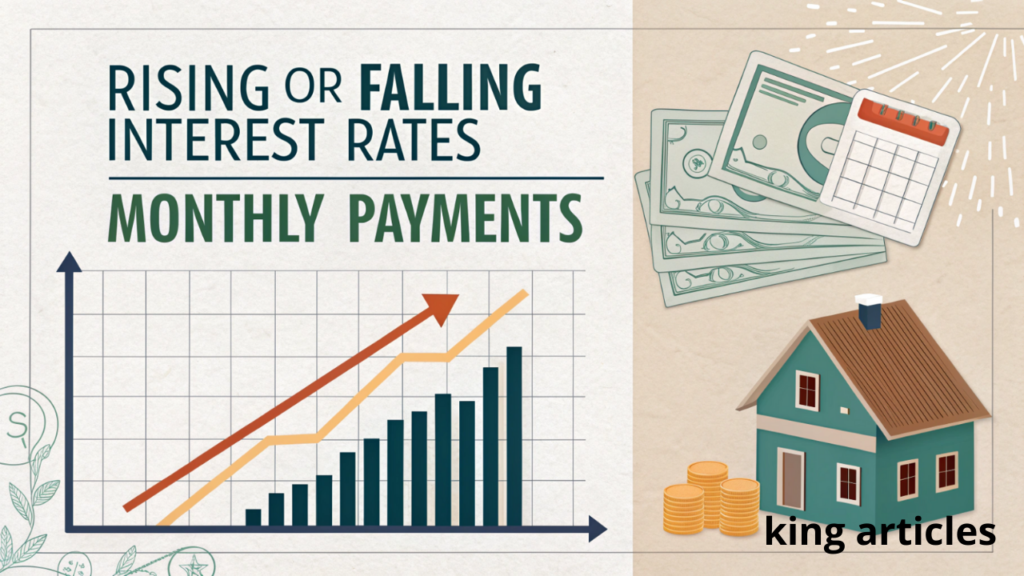
Context: MBA’s Refinance Index is up 8% year-over-year, and economists expect mid-6% averages through the year. But volatility in 2025 means rates can fall if a recession hits.
- Compare national averages to lender offers for the same day to estimate savings.
- Keep in mind that points, loan-to-value ratio, credit profile, taxes, and insurance all impact your total monthly housing payment.
- Borrowers with loans above 7.5% often find value in acting now; sub-5% owners may choose different financing moves.
Is refinancing right for you right now?
Decide your main goal first. Do you want a lower monthly bill, to pay less interest over time, or to lock in predictable payments? Naming the priority makes the choice clearer.
Lower rate vs. lower monthly payments vs. shorter term
If a lower rate is available, you may cut the payment and interest. Shortening the term reduces lifetime interest but raises monthly cost.
Run simple scenarios: compare monthly payment, total interest, and breakeven months before you commit.
Switching from an adjustable-rate mortgage to a fixed rate
If you have an adjustable-rate mortgage, moving to a fixed rate gives predictable payments and less shock from rising interest rates.
That predictability can protect your budget even if the fixed option costs a bit more today.
Using home equity with a cash-out refinance to save money or fund goals
Cash-out can fund renovations or consolidate debt but often carries a higher rate and fees. Check whether the numbers still save money after costs.
- Confirm credit and debt-to-income support approval for the new loan.
- Estimate how long you’ll keep the home; breakeven matters.
- Compare cash-out to HELOCs or home equity loans for cost and flexibility.
refinance
Decide the exact goal for your new loan before you shop—lower rate, shorter term, or cash out for a project.
Define your scope: choose a rate-and-term change to adjust monthly cost or a cash-out option to access home equity for renovations or debt consolidation.
Know how lenders set prices. Credit score, loan-to-value, property type, occupancy, points, and origination choices all affect the new mortgage rate and approval odds.
- Paying discount points can lower your rate and payment, but compare break-even months before you buy them.
- Waiving origination fees may raise the rate; always request itemized loan estimates to compare true costs.
- Compare the fixed and ARM offers side by side to weigh initial payments against long-term predictability.
Ask about relationship pricing or loyalty programs—major lenders often offer reduced fees or better terms for existing customers.
Tip: Gather income, asset, and housing-history documents up front so underwriting moves faster and your timeline stays on track.
How rates, APR, points, and fees work together
Knowing what the interest rate hides—and what APR reveals—makes shopping smarter.
Interest rate vs. APR: what’s included and why it matters
The interest rate is the annual percent you pay to borrow. It shows the base cost of the loan.
APR adds certain lender charges, like discount points and some origination fees. APR gives a fuller view of borrowing costs but may still exclude taxes, insurance, and third-party charges.
Discount points and origination fee: when paying upfront can lower your rate
Points are prepaid interest. One point equals one percent of your loan amount. Buying points lowers the rate and reduces total interest if you keep the loan long enough.
An origination fee is a charge for processing the loan. Some lenders trade a higher rate for a lower origination fee. That choice affects your monthly payment and breakeven time.
- Compare the rate and APR on the same loan term to get an apples-to-apples view.
- Check whether paying points pays off given how long you’ll keep the mortgage.
- Use lender loan estimates to map every line-item fee before you decide.
| Item | What it shows | When it matters |
|---|---|---|
| Interest rate | Annual borrowing percent | Good for monthly payment math |
| APR | Rate plus eligible fees | Shows long-run cost comparison |
| Points / origination | Upfront prepaid interest or fee | Impacts break-even and upfront cost (example: 1 point = 1 percent) |
Your credit, LTV, and occupancy change pricing. If you plan to hold a loan for many years, a fixed rate can give stable payments and predictable interest. Always balance the upfront fee against expected savings to choose the best financing path.
Your refinance costs and breakeven timeline
Compare your out-of-pocket closing costs to monthly savings to determine if the move is financially justified.
Typical closing costs range between 2% and 5% of the new loan amount. That covers the origination fee, appraisal, credit report, title, points, and other third‑party charges. On a $350,000 loan, expect roughly $7,000–$17,500 in upfront costs as an example.
Typical closing costs: a quick breakdown
| Item | What it is | Typical percent/amount |
|---|---|---|
| Origination fee | Lender processing charge | 0.5%–1% of loan |
| Appraisal & title | Third‑party inspections and insurance | $500–$2,000 total |
| Discount points | Prepaid interest to lower rate | 1 point = 1% of loan |
| Escrows/impounds | Prepaid taxes & insurance held by lender | Varies by tax/insurance schedule |
Breakeven calculator: estimate months to recoup costs
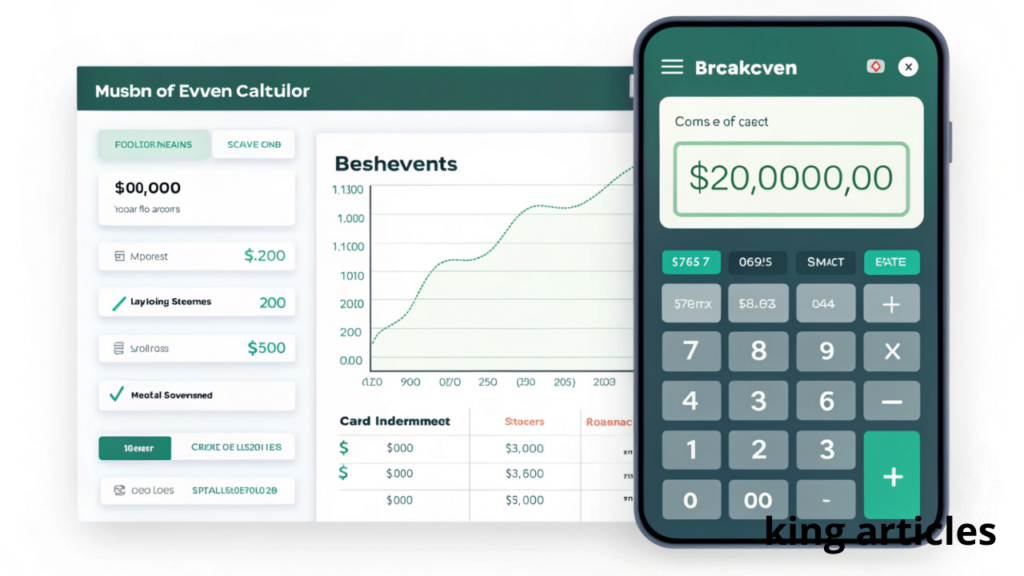
Use this simple formula: breakeven months = total closing costs ÷ monthly payment savings. For example, if costs equal $10,000 and your payment drops $200 per month, breakeven is 50 months (about 4+ years).
Taxes, insurance, and mortgage insurance
Quoted monthly payments often show principal, interest, and any required mortgage insurance. Property taxes and homeowners insurance may sit outside the base quote. Add them to your budget to see true cash flow.
Removing mortgage insurance after a new loan or higher equity can speed breakeven. Also check whether you want to pay closing costs out of pocket or use lender credits that raise your rate.
“Run a break-even check before you sign—the months matter more than the headline rate.”
The refinance process, step by step
Start by gathering the paperwork and checking your financial profile to speed approval and avoid surprises.
Check credit, income, and debt
Pull your credit reports and scores early. Many lenders want a minimum score near 620; higher scores get better pricing.
Collect pay stubs, tax returns, and asset statements so underwriting can move without delays.
Choose your loan type
Decide between a rate-and-term change to lower your payment or a cash-out option to access equity.
Estimate LTV and breakeven months to see if the move meets your goals.
Shop, lock, and manage timing
On the same day, compare the rates, APR, points, and fees of at least three lenders.
Ask about lock periods, float-downs, and extension fees. If a rate meets your objective, lock it—market time is risky.
Documents, appraisal, underwriting, and closing
Expect an appraisal in most cases; a strong valuation improves pricing. Coordinate with your lender on origination steps and any conditions before clearing to close.
“Have documents ready and lock when the math works—that saves both time and money.”
Compare loan options: fixed rate, ARM, FHA, VA, and more
Choosing the right loan means matching the product to your timeline, budget, and risk tolerance. Start by asking whether you want payment stability or initial savings that may change later.
Fixed-rate loans give steady payments for the loan’s life. Pick a fixed rate if you plan to keep the mortgage for many years or need predictable budgeting.
Adjustable-rate mortgage (ARM): lower initial rate, later changes
An ARM often offers a lower introductory rate and payment for a set period. After that initial period, the rate typically adjusts based on an index like SOFR, often every six months.
Understand the margin, adjustment frequency, and caps. Payment caps limit periodic and lifetime changes, but adjustments can raise your payment and total interest over the years.
FHA and VA programs: flexible credit and streamlined paths
FHA and VA loans can ease credit or documentation rules. The VA IRRRL, for example, often lowers your rate and payment with minimal out‑of‑pocket costs for eligible veterans.
Program pricing varies by FICO, LTV, occupancy, and points. Ask lenders for disclosures, compare the true costs, and weigh whether you’ll sell or refinance again within a few years.
“Match your loan choice to how long you’ll stay and the payment stability you need.”
| Option | Best when | Key trade-off |
| Fixed-rate | Holding long term | Stable payment, sometimes higher initial rate |
| ARM | Selling or refinancing in a few years | Lower start rate, future adjustment risk |
| FHA/VA | Flexible credit or streamlined move | Lower barriers, program-specific fees and points |
Cash-out refinance: costs, risks, and when it makes sense
Accessing cash from your home raises the price of borrowing. A cash-out refinance usually comes with a higher rate and extra points because lenders take on more risk when your equity drops.
Expect loan-level price adjustments from Fannie Mae or Freddie Mac when LTV climbs. With lower credit, those adjustments can add multiple points; top scores (780+) reduce the premium. Sub-640 profiles may see sharp increases in pricing.
When cash fits: use funds for renovations that boost value, consolidate high-interest debt, or cover essential projects. If you need staged draws, a HELOC or home equity loan can offer more flexibility than a lump-sum cash-out option.
| Use | Why it fits | Trade-off |
|---|---|---|
| Major renovation | Can raise home value | Higher rate and more points |
| Debt consolidation | Lower overall interest vs. cards | Extends repayment on mortgage |
| Short-term cash needs | One closing, lump sum | Less flexible than HELOC |
Model your new payment and total interest before you act. Keep target LTV thresholds in mind, consider tax effects, and weigh whether refinancing could wait for better credit or market moves.
Smart lender shopping to get the best rate and payment
When rates fluctuate rapidly, obtaining multiple quotes from lenders in a single day ensures a fair comparison.
Get at least three quotes the same day so market moves don’t change your comparison. Ask each lender for identical terms: loan type, points, lock period, and any credits.
Request quotes the same day and compare rate, APR, and fees
- Control timing: same-day quotes show how competing rates and fees stack up.
- Use an example worksheet: tally interest rate, points, origination fee, third‑party costs, and lender credits.
- Lock rules matter: confirm lock period length, extension costs, and float-down options before you sign.
Consider responsiveness, ratings, and loyalty benefits
Evaluate service: rapid replies and clear timelines speed approval and closing. Examine public ratings to see how other borrowers rate communication and closing time.
| What to compare | Why it matters | Quick tip |
|---|---|---|
| Rate/APR | Shows monthly cost and fees | Line up identical terms |
| Service & reviews | Reduces surprises and delays | Prefer responsive teams |
| Loyalty pricing | May cut fees or trim your rate | Ask about member discounts |
Tip: negotiate with competing offers—lenders often improve terms to win your business. If a quote meets your goals, lock it; waiting can raise rates and cost you time.
Tools to plan your refinance with confidence
Plan your move with online tools that turn lender quotes into clear month‑by‑month scenarios. These tools help you test loan choices and see whether fees offset savings.
Refinance calculator: monthly payments and total costs
Use a useful calculator to estimate your monthly payment, total interest, and breakeven months. Input the loan amount, term, and any points or credits to get comparable results.
Tip: lender tools usually show principal and interest and required mortgage insurance. Taxes and homeowners insurance are often excluded, so add those separately to see the full cash flow.
Rate tables and assumptions: reading the fine print on offers
Compare live rates, but read the assumptions. Tables typically assume a FICO score, LTV, occupancy, and discount points. Those details change the true cost.
For an ARM, study the index (often SOFR), margin, adjustment frequency, and caps to estimate future payments over the next year and beyond.
| Tool | What it shows | When to use |
|---|---|---|
| Refinance calculator | Monthly payment, total interest, breakeven months | Model fixed vs. 30- or 15-year options |
| Live rate table | Current mortgage rates by term and points | Check pricing assumptions (FICO, LTV, occupancy) |
| ARM estimator | Projected adjustments based on index and caps | Test future-payment scenarios before you lock |
Action: Save or print scenarios, then revisit numbers after pre-approval so your estimates match real pricing before you lock.
Conclusion
Strong, clear plan first: confirm that a lower rate or different term truly reduces your total cost over the time you expect to keep the mortgage.
Use a calculator to check breakeven months and include typical closing costs (2%–5% of the loan). Strengthen your profile by improving credit and organizing income and asset documents to speed approval.
Compare multiple lenders the same day, weigh fixed versus ARM choices, and decide if a cash-out refinance or a HELOC better fits projects or debt consolidation.
If a quote meets your targets, lock the rate. With clear numbers, the right lender, and a matched term, you can save money and align your home loan with your goals.
Frequently Asked Questions (FAQ)
What is the current mortgage rate climate in the United States, and how does it affect you?
Rates fluctuate with economic data, Federal Reserve policy, and bond markets. When rates fall, your interest costs and monthly payment can drop if you refinance to a lower fixed rate or shorter term. Locking in a rate early on may shield you from later, higher payments when rates rise. Check published mortgage and refinance rates and compare offers to see how much you could save.
How do rising or falling interest rates change your monthly payment?
A lower interest rate reduces the interest portion of each monthly payment, which can lower your total payment or let you pay off the loan faster. A higher rate increases interest expense and monthly cost. The impact depends on loan term and balance—use a payment calculator to model scenarios.
Should you aim for a lower rate, a lower monthly payment, or a shorter term?
It depends on your goals. A lower rate usually reduces total interest. A lower monthly payment improves cash flow. A shorter term raises monthly payments but cuts total interest and builds equity faster. Compare examples with a calculator and factor in closing costs to pick the right trade-off.
Is switching from an adjustable-rate mortgage (ARM) to a fixed rate right for you?
If you want payment stability and protection from future rate increases, moving from an ARM to a fixed-rate loan often makes sense. If rates are low and you plan to sell soon, staying with an ARM might be cheaper. Consider how long you’ll keep the home and whether avoiding a payment shock matters to your budget.
What is a cash-out option, and when should you use it?
A cash-out loan lets you borrow more than your current balance and receive the difference in cash. It can fund home improvements, consolidate high-interest debt, or cover education costs. Weigh the higher loan balance, possibly higher rate, and closing costs against the benefit of the cash. Avoid using cash-out for short-term consumption unless you have a clear repayment plan.
How do interest rate, APR, points, and fees work together?
The interest rate determines your monthly interest cost. APR includes the rate plus certain fees and points, giving a broader view of loan cost. Discount points are prepaid fees that lower your rate; origination fees pay the lender to process the loan. Compare rate and APR to judge true cost.
When does it make sense to pay discount points or an origination fee?
Pay points if you plan to keep the loan long enough to recoup the upfront cost through lower monthly payments. If you want minimal closing costs or expect to sell or refinance quickly, skipping points may be better. Run a breakeven calculation to determine when the upfront cost pays off.
What closing costs should you expect, and how do they affect breakeven time?
Typical closing costs range from about 2% to 5% of the loan amount and include appraisal, title, recording fees, and lender charges. Add any points you pay. Divide the total cost by your monthly savings to estimate the breakeven period—the time until the refinance pays for itself.
How do taxes, homeowners insurance, and mortgage insurance affect your total monthly payment?
Taxes and homeowners insurance are often escrowed into your monthly payment, increasing the total amount due. If your loan-to-value ratio is high, private mortgage insurance (PMI) or mortgage insurance premiums may add to monthly costs. Factor all these payments into your budget, not just principal and interest.
What steps should you take to improve approval odds before applying?
Check and correct errors on your credit reports, lower credit card balances, and document steady income and employment. Avoid large purchases or new debt before closing. A higher credit score and lower debt-to-income ratio typically earn better rates and easier approval.
How do you decide between rate-and-term versus cash-out loan types?
Choose rate-and-term to change rate or term and lower payments or total interest without increasing principal. Choose cash-out if you need funds and accept a larger balance. Match the loan type to your financial goal and calculate costs, taxes, and long-term impact before deciding.
How should you shop and lock a rate to get the best deal?
Request quotes the same day from multiple lenders and compare rate, APR, and fees. Ask about lender responsiveness, reviews, and any loyalty benefits. Lock the rate when you find a competitive offer and the market outlook makes delay risky, but understand lock periods and potential float-down options.
What documents and steps are required during underwriting and closing?
You’ll provide pay stubs, W-2s or tax returns, bank statements, and ID. The lender orders an appraisal, reviews the title, and completes underwriting. Once approved, you sign closing documents and pay closing costs. Timelines vary, so be prepared to respond quickly to document requests.
How do fixed-rate loans compare to adjustable-rate mortgages (ARMs)?
Fixed-rate loans give predictable monthly payments for the term, which helps long-term planning. ARMs often start with a lower initial rate that can adjust later, offering short-term savings but more future uncertainty. Choose stability versus potential initial savings based on how long you’ll keep the loan.
Are FHA and VA refinance programs worth considering?
FHA and VA programs often offer streamlined options with more flexible credit and income guidelines. VA loans can include no down payment and competitive rates for eligible veterans. Compare program specifics, mortgage insurance rules, and eligibility before choosing a government-backed option.
How does a cash-out loan affect interest rates, loan-to-value (LTV), and points?
Cash-out loans often carry slightly higher rates and may require more points or higher fees because they increase lender risk. They raise your LTV ratio, which can increase mortgage insurance requirements or affect rates. Evaluate the full cost and how added debt fits your financial plan.
What are smart uses of cash from a cash-out loan?
Use cash for home improvements that increase value, consolidating high-interest debt, or funding investment opportunities with clear returns. Avoid using cash for everyday expenses unless you have a solid repayment strategy; otherwise, you risk losing home equity for short-term gains.
How do you request comparable quotes and compare rates, APR, and fees effectively?
Ask multiple lenders for written loan estimates on the same day and for the same refinance amount and terms. Compare the interest rate, APR, and total closing costs. Look beyond the lowest rate to the overall cost and lender service quality before choosing.
Which tools help you plan and estimate refinance savings accurately?
Use a refinance calculator to model monthly payments, total interest, and breakeven time. Examine rate tables and the underlying assumptions, and carefully review the details of offers. These tools help you decide if a refinance or cash-out option meets your financial goals.