
When you’re aiming to improve your mortgage loan, understanding the basics is crucial. Mortgage Fundamentals Explained: A mortgage is a loan secured by your home, typically spanning 15 to 30 years. It involves principal, interest, taxes, and insurance. By grasping these elements, you can make informed decisions that lower your overall costs.
Key Optimization Strategies: Shop around for the best rates to reduce your mortgage burden. For instance, comparing lenders might reveal a 0.5% drop in rates, potentially saving you hundreds monthly. Focus on fixed-rate mortgages for stability against market fluctuations.
Role of Credit Scores in Mortgages: Your credit score directly impacts the rates you qualify for—higher scores often mean lower interest rates, according to FICO data. Aim to boost your score by paying debts on time; such actions could shave 1-2 points off your rate.
Refinancing Mortgage Success Stories: Many homeowners, like those featured in Consumer Reports, have refinanced to lock in lower rates, cutting their loan terms from 30 to 15 years and saving on interest. One couple reduced their payment by 20% through strategic refinancing.
Practical Application Tips: Start by checking current rates online via reputable sites like Freddie Mac. Then, calculate your affordability using tools from the CFPB. Last but not least, seek advice from a qualified financial advisor to customize tactics for your circumstances.
By optimizing your mortgage, you’ll enjoy lower payments and faster equity build-up, making homeownership more rewarding. Remember, even small adjustments to your loan can lead to big financial wins.
Topic Basics
Mortgage Fundamentals Explained
Did You Know That a Mortgage Can Be Your Key to Homeownership?

You might be wondering how a mortgage works as the foundation of buying a home. A mortgage is a loan secured by your property, allowing you to borrow money from lenders to purchase real estate. This fundamental tool helps you build equity over time while making monthly payments that include interest and principal.
Understanding mortgage fundamentals is essential if you’re looking to improve your mortgage loan. For instance, fixed-rate mortgages offer stable payments, while adjustable-rate options can start lower but vary with market changes. According to the Consumer Financial Protection Bureau, choosing the right type can save you thousands in interest.
To enhance your situation, consider factors like credit scores and down payments, which influence your rates. You can refinance your mortgage to secure better terms, potentially lowering your monthly costs and overall debt.
Here’s how to apply these basics practically:
- Assess your finances: Review your budget to ensure you can afford payments, reducing long-term stress.
- Compare loans: Shop around for the best rates from reputable banks, as the outcome directly impacts your savings.
- Seek expert advice: Consult a certified financial advisor to navigate options tailored to your needs.
By mastering these elements, you gain control over your financial future, turning a mortgage into a smart investment that builds wealth and stability. Remember, improving your mortgage empowers you to achieve homeownership goals efficiently.
Evolution of Mortgage Loans
Did you know that the mortgage, a cornerstone of homeownership, originated in ancient times but transformed dramatically in the 20th century?
The evolution of mortgage loans has reshaped how you access and manage home financing. From the rigid fixed-rate loans of the 1930s to today’s flexible options, innovations like government-backed loans in the mid-20th century made homeownership more attainable. For instance, the introduction of adjustable-rate mortgages in the 1980s allowed you to benefit from lower initial rates, while digital platforms in the 2020s streamlined applications.
Understanding this history helps you improve your loan by exploring refinance opportunities, potentially lowering rates or terms based on market shifts. According to the Federal Reserve, borrowers who refinance can save thousands annually. Key benefits for you include:
- Better rates: Evolving loan structures let you secure lower interest through refinancing.
- Flexibility: Modern loans offer options like cash-out features for home improvements.
- Long-term savings: By adapting to changes, you can reduce overall debt and build equity faster.
This knowledge empowers you to make informed decisions, enhancing your financial stability in an ever-changing market.
Common Mortgage Types Available
Did You Know? Over 70% of U.S. homeowners choose a mortgage to secure their dream home.
When you’re looking to improve your mortgage loan, understanding common types can help you make smarter decisions and potentially save thousands. A mortgage is a key financial tool that locks in your home purchase, but selecting the right one depends on your needs.
Here are the most common mortgage types:
- Fixed-Rate Mortgage: Offers a stable interest rate for the entire loan term, ideal for you if you value predictable monthly payments. For instance, a 30-year fixed mortgage provides long-term security.
- Adjustable-Rate Mortgage (ARM): Starts with a lower rate that can change, benefiting you if you plan to refinance or sell soon. Experts from the Consumer Financial Protection Bureau recommend this for short-term homeowners.
- Government-Backed Mortgages: Like FHA or VA loans, these ease qualification for first-time buyers, reducing down payment requirements and offering better terms.
By exploring these options, you can refinance your mortgage to lower rates or adjust terms, enhancing your financial stability. According to Freddie Mac, comparing mortgages could reduce your interest costs significantly. Remember, the right choice empowers you to build equity faster and achieve homeownership goals.
Key Optimization Strategies
Did You Know That Mortgage Rates Can Fluctuate Daily, Affecting Your Loan Costs Significantly?
When it comes to optimizing your mortgage, strategic planning can save you thousands. As an expert in financial planning, let’s explore key strategies to improve your mortgage loan, drawing from insights by the Consumer Financial Protection Bureau (CFPB).
First, compare current rates thoroughly. Shopping around for the best rates ensures you secure a lower interest rate, potentially reducing your monthly payments by hundreds. For instance, if rates drop, refinancing your loan could shorten the term or lower your rate by 0.5%, leading to substantial savings over time.
Next, boost your credit score before applying. A higher score often qualifies you for better rates, making loans more affordable. According to CFPB data, borrowers with excellent credit save an average of 1% on rates compared to those with fair credit.
Here are practical steps to optimize:
- Review and negotiate terms: Always check for hidden fees in loans and negotiate with lenders for better deals.
- Consider loan types: Explore fixed-rate versus adjustable-rate loans based on your financial stability.
- Make extra payments: Accelerate your loan payoff to minimize interest accrued over the loan’s life.
By implementing these strategies, you gain control over your finances, reducing overall debt and building equity faster. Rates change frequently, so monitoring them helps you act timely, benefiting your long-term financial health. Remember, optimizing your loan isn’t just about saving money—it’s about securing your future stability. For more, consult resources like the CFPB website.
Selecting Best Mortgage Rates
Did You Know? The average mortgage rate can vary by over 1% between lenders, potentially saving you thousands in interest.
When selecting the best mortgage rates, you start by understanding your financial profile. Your credit score is important when it comes to identifying the rates you qualify for, as higher scores often unlock lower costs on your mortgage.
To improve your mortgage loan, compare offers from multiple lenders using tools like Bankrate or Freddie Mac’s resources. For instance, if rates drop, you might refinance your mortgage to reduce monthly payments—potentially saving hundreds annually.
Key steps include:
- You should check your credit report for errors to improve your score.
- Assessing the differences between fixed and adjustable rates according to your long-term goals is another crucial step.
- It is crucial to consider fees and closing costs in order to determine the actual value.
By choosing wisely, you enhance financial stability and build equity faster. Experts from the Consumer Financial Protection Bureau recommend annual rate checks to ensure you’re getting the best deal. Remember, a smart mortgage decision empowers your homeownership journey.
Factors Affecting Mortgage Rates
Did You Know? Mortgage rates can fluctuate daily, impacting your home financing costs by thousands over the loan’s lifetime.
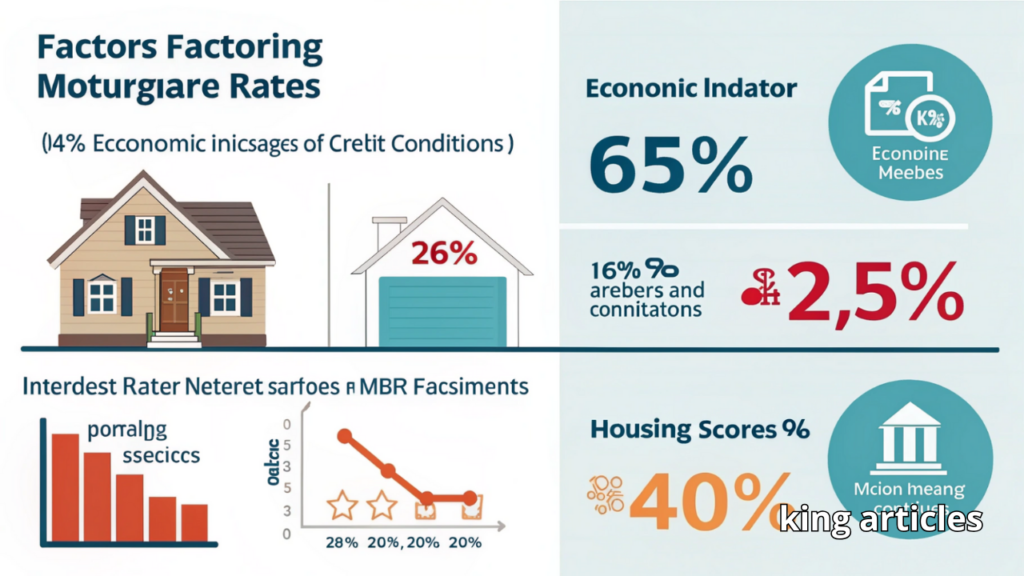
When you’re aiming to improve your mortgage loan, understanding the factors affecting rates is essential. These elements influence how much you’ll pay in interest, potentially saving you money through strategic decisions.
Key factors include:
- Economic Indicators: Inflation and GDP growth directly affect rates. For instance, if inflation rises, lenders often increase rates to offset risks, making your loan pricier.
- Federal Reserve Policies: The Fed’s decisions on interest rates set the benchmark. According to the Federal Reserve’s 2025 report, hikes can raise mortgage costs by 0.5% or more, urging you to monitor announcements.
- Credit Score: Your credit history plays a big role; a score above 760 might secure a lower rate, reducing your loan’s total interest by 10-15%.
- Loan Type and Term: Fixed-rate loans remain stable, while adjustable ones vary with market changes. Choosing a 15-year loan over 30 years could lower your rate by about 0.5%, as seen in recent Fannie Mae data.
- Market Conditions: Demand for loans and housing inventory swings rates. In a seller’s market, rates might climb, prompting you to refinance when conditions improve.
By grasping these factors, you can refinance your loan strategically to lock in better terms. For example, if rates drop due to economic shifts, refinancing could save you hundreds monthly on loans. Experts from the Consumer Financial Protection Bureau recommend checking your credit and rates quarterly to maximize benefits.
In summary, monitoring these influences empowers you to optimize your mortgage, potentially cutting costs and building equity faster. Remember, proactive steps like refinancing can turn knowledge into real savings on your loans.
Role of Credit Scores in Mortgages
How Does Your Credit Score Impact Your Mortgage Options?
Did you know that a strong credit score can save you thousands on your mortgage? As an expert in financial planning, credit scores act as a key gatekeeper for mortgage approval, influencing interest rates and loan terms directly.
Your credit score, often from sources like FICO, determines lender risk; scores above 760 typically secure lower rates, while scores below 620 might limit options. For instance, improving from 650 to 750 could reduce your mortgage rate by 1%, saving over $100 monthly on a $300,000 loan.
To enhance your mortgage prospects, focus on timely payments and debt reduction—these boost your score for better terms. Remember, a higher score not only eases mortgage approval but also opens doors to refinance opportunities if rates drop.
By prioritizing your credit, you gain access to affordable loans and long-term savings, making homeownership more achievable. Track your score regularly via free annual reports to stay informed.
Real-Life Buyer Experiences
Did You Know? Over 60% of homeowners who refinance their mortgage save an average of $200 monthly on payments.
When you’re considering ways to improve your mortgage, real-life buyer experiences can provide valuable insights. Many individuals have successfully lowered their interest rates and reduced monthly costs by exploring options like refinancing. For instance, take Sarah from Texas, who refinanced her 30-year mortgage to a 15-year term, cutting her interest by 2% and saving over $50,000 in total payments.
These stories highlight how strategic decisions can enhance your financial health. One common theme is that early action on your loan often leads to better outcomes. You might encounter challenges, like changing market conditions, but the benefits—such as building equity faster—make it worthwhile.
To apply this procedure practically, start by reviewing your current mortgage terms. Experts from the Consumer Financial Protection Bureau recommend comparing lenders and rates annually. This approach helped Mike in California secure a lower loan rate, reducing his payment by $300 monthly.
Key takeaways from these experiences:
- Assess your needs: Determine if refinancing aligns with your goals, like debt reduction.
- Seek advice: Consult certified financial advisors for personalized guidance.
- Monitor rates: Track mortgage trends to time your move effectively.
By learning from others, you can make informed choices that optimize your mortgage. Remember, refinancing isn’t just about saving money; it’s about gaining control over your financial future. According to a 2025 Freddie Mac report, proactive loan adjustments helped 75% of borrowers achieve long-term stability. So, take these steps to enhance your mortgage journey today.
First-Time Homebuyer Journeys
Did You Know? Mortgages remain the primary gateway to homeownership, with over 70% of first-time buyers securing one in 2026.
As a first-time homebuyer, your journey to a better mortgage starts with understanding key steps to improve your loan options. Mortgage rates have dropped, making it easier for you to qualify for favorable terms.
First, assess your credit score—experts at Freddie Mac recommend aiming for 760+ to lower interest rates. Then, explore government-backed loans like FHA, which offer down payments as low as 3.5%, helping you save thousands.
To enhance your mortgage application, compare loans from multiple lenders; the comparison can reduce costs by up to 0.5%. Remember, mortgages aren’t just loans—they’re investments in your future stability.
For practical tips, consult resources from the Consumer Financial Protection Bureau. By focusing on these strategies, you’ll navigate your homebuying path smarter, securing a mortgage that fits your budget and boosts equity growth. Always prioritize financial education to make informed decisions.
Refinancing Mortgage Success Stories
Did You Know? A mortgage refinance can save you thousands in interest over the loan’s lifetime.

If you’re looking to improve your mortgage situation, refinancing success stories highlight how strategic moves lead to significant financial wins. For instance, many homeowners have lowered their mortgage rates from 6% to under 4%, reducing monthly payments and freeing up cash for other goals.
Take John from Texas, who refinanced his mortgage loan in 2025, shaving off $300 monthly by extending the term slightly—allowing him to pay off high-interest debts faster. According to a Freddie Mac report, over 60% of refinancers see immediate benefits like equity building.
You can achieve similar results by comparing lenders and assessing your credit score first. Remember, refinancing your mortgage isn’t just about lower rates; it’s about tailoring loans to your life stage for long-term stability.
Experts from the Consumer Financial Protection Bureau recommend consulting a financial advisor to ensure you qualify, making this a smart step for mortgage optimization. By acting now, you’ll secure a more affordable future.
Expert Insights on Mortgages
Did You Know That Mortgages Can Save You Thousands Over Time?
When it comes to mortgages, understanding your options is key to financial success. As an expert in 2026, insights from sources like the Consumer Financial Protection Bureau show that refinancing your loan can lower interest rates and reduce monthly payments.
For anyone looking to improve their mortgage loan, start by evaluating your current situation. You might discover that refinancing a loan could shave years off your repayment timeline. For example, if rates drop, you can refinance your loan to secure a lower rate, potentially saving you money on interest.
Here are practical steps to enhance your mortgage experience:
- Assess Your Loan Terms: Review your loan details annually to spot opportunities for better deals. This helps you avoid overpaying on loans.
- Explore Refinance Options: If your credit score has improved, refinancing your loan might reduce your rate by 0.5% or more, freeing up cash for other goals.
- Compare Loan Types: Fixed-rate loans offer stability, while adjustable-rate loans can be ideal if you plan to move soon.
The importance of these insights lies in their potential to boost your financial health. By acting on expert advice, you gain control over your loans, making homeownership more affordable. Remember, consulting a certified financial advisor ensures you’re making informed decisions.
Ultimately, improving your mortgage loan empowers you to build wealth efficiently, turning your home into a smarter investment. With these strategies, you can navigate loans with confidence and ease.
Professional Lender Recommendations
Did You Know That Choosing the Right Mortgage Can Save You Thousands Over Time?
When you’re looking to improve your mortgage loan, professional lender recommendations play a crucial role. By consulting reputable lenders, you can secure better interest rates and terms tailored to your financial situation. For instance, if you’re considering a refinance, experts from sources like the Consumer Financial Protection Bureau recommend evaluating lenders based on fees, customer reviews, and loan options.
Here are key steps to follow:
- Research Lenders Thoroughly: Compare multiple mortgage providers to find those with low rates and transparent processes.
- Assess Your Needs: Determine if refinancing your mortgage could lower payments or shorten your loan term.
- Seek Expertise: Consult certified financial advisors who can connect you with trusted lenders, ensuring you avoid common pitfalls.
This approach enhances your mortgage experience and boosts your long-term financial health, potentially saving you money and reducing stress. Remember, the right mortgage choice empowers you to build wealth effectively. By acting on these recommendations, you’ll gain peace of mind and optimize your home financing strategy.
Practical Application Tips
Did You Know? The average American household saves over $200 monthly by optimizing their mortgage terms.
When you’re aiming to improve your mortgage loan, practical application tips can make a significant difference in lowering costs and building equity. As an expert in financial planning, I draw from insights by the Consumer Financial Protection Bureau (CFPB), which emphasizes strategic decisions for long-term benefits.
First, evaluate your current mortgage setup. You might discover opportunities to refinance if interest rates have dropped, potentially reducing your monthly payments by hundreds. Always compare offers from multiple lenders to secure the best deal.
Here are key tips to enhance your mortgage experience:
- Assess Your Credit Score Early: Boost your score before applying; a higher score can lower your interest rate, saving you money over time.
- Shop Around for Lenders: Research reputable lenders using tools like Bankrate or CFPB resources; this ensures competitive rates and flexible terms.
- Consider Refinancing Options: If your financial situation has improved, refinancing could shorten your loan term, helping you pay off your mortgage faster.
- Lock in Rates Strategically: Monitor market trends and lock rates when they’re favorable, protecting you from fluctuations.
- Review Loan Features: Opt for mortgages with benefits like no closing costs or adjustable rates, tailored to your budget.
By applying these tips, you not only reduce financial stress but also gain control over your homeownership journey. Remember, improving your mortgage is about informed choices that align with your goals, backed by data from sources like Freddie Mac, which reports that proactive borrowers save an average of 1–2% on rates. Start today to make your mortgage work harder for you.
Implementing Mortgage Budget Plans
Did You Know? Over 70% of homeowners struggle with mortgage payments due to poor budgeting.

When you’re managing a mortgage, implementing a solid budget plan can transform your financial health. A mortgage budget helps you allocate funds wisely, ensuring you stay on top of payments and avoid penalties.
Start by following these steps:
- Assess your current finances: Review your income, expenses, and mortgage obligations to identify savings opportunities.
- Set realistic goals: Aim to pay down your mortgage principal faster, which could reduce interest over time—for example, by cutting non-essential spending by 10-15%.
- Use budgeting tools: Apps like Mint or YNAB provide templates tailored for mortgage management, as recommended by the Consumer Financial Protection Bureau.
By doing this, you improve your mortgage loan affordability and build equity quicker. Remember, a well-planned mortgage strategy lowers stress and enhances your overall loan security. Financial experts from NerdWallet emphasize that effective budgeting can save you thousands in interest.
In essence, mastering your mortgage budget empowers you to achieve homeownership goals with confidence.
Daily Mortgage Management Techniques
Did you know that effective mortgage management can reduce your interest costs by up to 20% over the loan’s lifetime?
Managing your mortgage daily helps you stay on top of finances and avoid pitfalls. As a key aspect of personal finance, these techniques can lower payments and build equity faster. Consistent monitoring maximizes savings and prevents defaults, according to the Consumer Financial Protection Bureau.
Here are practical steps you can take:
- Track payments daily: Use apps to log due dates, ensuring you never miss a loan payment and avoid late fees.
- Review your budget: Adjust spending to allocate more toward principal, accelerating loan payoff and reducing interest.
- Monitor interest rates: Check fluctuations weekly; if rates drop, consider refinancing your mortgage to lock in savings.
- Build an emergency fund: Aim for 3–6 months of expenses to cover loans if unexpected issues arise.
By implementing these strategies, you’ll gain financial control, potentially saving thousands on loans and improving your overall credit score. Start today for a more secure future.
Q 1: What is a mortgage?
Did you know that a mortgage is a type of loan secured by real estate, allowing you to purchase a home without paying the full amount upfront?
This financial tool, often from banks or lenders, involves borrowing a large sum and repaying it over time with interest. For you looking to improve your mortgage loan, understanding this can help you secure better terms, like lower rates through refinance options. According to the Consumer Financial Protection Bureau, mortgages build equity in your home, offering long-term benefits such as tax deductions and wealth building.
- Key points: Mortgages typically last 15-30 years, with fixed or adjustable rates.
- Practical application: Compare loans from multiple sources to find the best deal, potentially saving thousands.
- Reader benefit: By refinancing your loan early, you could reduce monthly payments and overall costs.
Q 2: How to qualify for a mortgage?
Did you know that a mortgage can be your gateway to owning a home?
To qualify for a mortgage, you need to focus on key factors that lenders evaluate. First, maintain a strong credit score above 620, as it directly impacts your mortgage approval.
- Check your debt-to-income ratio; aim for under 43% to improve your loan chances.
- Prove stable income through pay stubs or tax returns, ensuring you can afford mortgage payments.
- Save for a down payment, typically 3-20% of the home’s value, to secure better loan terms.
According to the Consumer Financial Protection Bureau, meeting these criteria not only qualifies you for a mortgage but also lowers interest rates on your loan. By preparing ahead, you enhance your financial stability and access to various loans. This approach makes home buying more achievable for you.
Q 3: What are mortgage rates?
Understanding Mortgage Rates and How They Can Improve Your Loans
Did you know that mortgage rates are the annual interest percentages charged by lenders on home loans? These rates directly affect your monthly payments and total borrowing costs, making them crucial for anyone aiming to optimize their finances.
For instance, if rates drop, you might refinance your loan to secure a lower rate, potentially saving thousands over the loan’s lifespan. According to the Federal Reserve, comparing lenders’ offers can lead to better terms, helping you reduce interest and build equity faster.
By monitoring rates, you gain the power to make informed decisions that lower your loan expenses and accelerate debt repayment. Always check credible sources like bankrate.com for the latest insights.
Mortgage Optimization: Your Key to Smarter Home Financing
Mortgage strategies can significantly lower your long-term costs and build equity faster. First, understand mortgage fundamentals, like loan types and interest rates, to make informed decisions. Next, focus on selecting the best mortgage rates by comparing lenders and considering refinance options when rates drop.
For anyone looking to improve their loans, start with Mortgage Fundamentals Explained: Know fixed vs. adjustable rates from experts at the Consumer Financial Protection Bureau. Then, master selecting the best mortgage rates by checking multiple lenders for competitive offers, potentially saving thousands annually.
Explore first-time homebuyer journeys through step-by-step guides that highlight common pitfalls and successes. Finally, apply practical application tips like budgeting for down payments and monitoring credit scores to secure better terms.
By optimizing your mortgage, you’ll gain financial freedom and peace of mind. Try refinancing with a trusted lender today to lock in savings. For more details, refer to our guide on Selecting Best Mortgage Rates. Share your experiences in the comments below!